


Purchase Guides
Are there any other costs after purchasing a dry ice carbon removal machine?
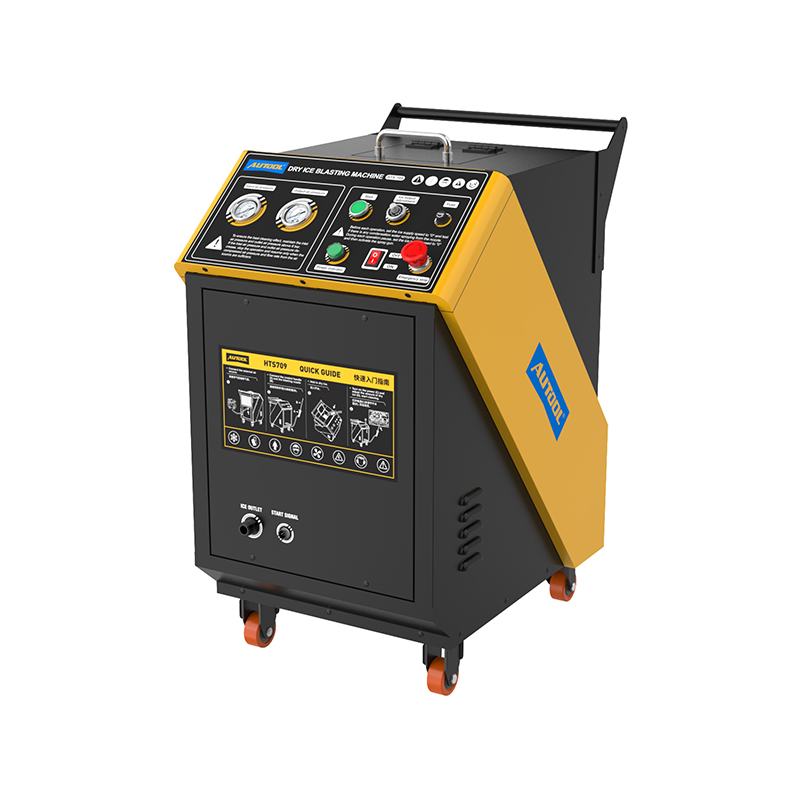
After purchasing a dry ice carbon removal machine, in addition to the initial investment in the equipment itself, there are several ongoing expenses to consider, particularly related to supporting equipment (such as air compressors and dry ice pellets) and routine maintenance. Taking AUTOOL as an example, let’s take a closer look at the other costs associated with owning a dry ice carbon removal machine to help you plan your budget effectively.
Supporting Equipment for Dry Ice Carbon Cleaning Machines (Air Compressors, Dry Ice)—Using AUTOOL as an Example
Air Compressor
Dry ice carbon cleaning machines work by propelling dry ice pellets onto the vehicle’s surface using high-pressure airflow, utilizing the pellets’ low temperature and impact force to remove carbon deposits and grime. Therefore, an air compressor is an indispensable component of a dry ice carbon cleaning machine. AUTOOL’s dry ice carbon removal machines are typically used in conjunction with air compressors, and the choice of air compressor directly impacts the equipment’s cleaning effectiveness and operational efficiency.
Recommended Air Compressor Specifications:
- 5HP Air Compressor: Suitable for small repair shops or individual users who use the dry ice carbon removal machine lightly or occasionally. A 5HP air compressor provides a stable airflow to support daily cleaning tasks. For small repair shops, this specification ensures work efficiency without wasting energy.
- 5HP Air Compressor: This specification is suitable for medium-sized repair shops, providing a stronger airflow for high-frequency use. If your dry ice carbon removal machine needs to run daily, a 7.5HP air compressor offers more stable operational support.
- 10HP Air Compressor: If you operate a large repair shop or are a car owner requiring intensive cleaning operations, consider a 10HP air compressor. It delivers higher air pressure and flow rates, making it suitable for large-scale cleaning needs—especially when quickly and efficiently removing significant carbon buildup.
The most cost-effective air compressor specification:
For most small and medium-sized repair shops, the 7.5HP air compressor offers the best value for money. This specification not only meets the equipment’s airflow requirements but also avoids energy waste caused by excessive power, making it suitable for long-term, stable operation.
Air compressor purchase costs:
- The price of a 5HP air compressor generally ranges from $800 to $1,500.
- A 7.5 HP air compressor typically costs between $1,500 and $3,000.
- A 10 HP air compressor generally costs between $3,000 and $5,000.
Selecting the appropriate air compressor model based on the repair shop’s size and usage frequency can effectively reduce energy consumption and improve work efficiency.
Dry Ice Pellets
Dry ice pellets are consumables used in dry ice blasting machines. They are solid carbon dioxide with an extremely low temperature (approximately -78.5°C) and are used to remove dirt, carbon deposits, and other contaminants from vehicle bodies or engine components through high-speed blasting.
- Price of dry ice pellets:
The price of dry ice pellets fluctuates significantly, typically ranging from $1 to $3 per kilogram. Prices are influenced by factors such as supply, procurement channels, and location. For larger purchase volumes, wholesale discounts are available, potentially reducing the price to $0.8–2 per kilogram. - How to Choose a Supplier:
For repair shops that use dry ice carbon removal machines on a long-term basis, it is recommended to select a reliable local dry ice supplier to ensure consistent product quality and timely delivery. Most suppliers offer varying price discounts based on purchase volume.
What size air compressor offers the best value for money?
Choosing the right size air compressor not only ensures the cleaning effectiveness of your dry ice carbon removal machine but also helps you optimize energy consumption and reduce operating costs.
• 5HP Air Compressor: Suitable for small repair shops or car owners who use the machine infrequently. For locations that don’t use the dry ice carbon removal machine often, a 5HP air compressor is sufficient and relatively affordable.
• 7.5HP Air Compressor: For medium-sized repair shops, a 7.5HP unit is an ideal choice. It provides a stable airflow and high operational efficiency, making it suitable for daily use.
• 10HP Air Compressor: Suitable for large repair shops or car owners with high-intensity cleaning needs. It can support prolonged, high-intensity operation and is ideal for locations requiring frequent use of the dry ice carbon removal machine.
Value-for-Money Recommendation: For most repair shops, the 7.5HP air compressor is the optimal choice. It provides a high airflow capacity at a moderate price point, effectively meeting high-frequency cleaning demands.
How much do dry ice pellets cost?
The price of dry ice pellets typically depends on the purchase quantity and the supply channel. Here are the common price ranges for dry ice pellets:
• $1–$3 per kilogram: Prices are higher for single purchases. This option is suitable for users who do not frequently use dry ice carbon removal machines.
• Approximately $0.80–$2.00 per kilogram for bulk purchases: Larger purchase volumes qualify for more favorable pricing, making this option suitable for repair shops with high-volume or long-term usage.
Price variations for dry ice pellets depend not only on the supplier but may also be influenced by factors such as shipping, storage, and seasonal fluctuations.
How much dry ice should a small repair shop purchase at one time?
For small repair shops, the quantity of dry ice pellets to purchase should be determined based on the following factors:
• The sublimation properties of dry ice: Dry ice is solid carbon dioxide that rapidly sublimates into a gas at room temperature. Therefore, dry ice pellets cannot be stored for long periods. If left unused for an extended time, the dry ice will gradually disappear.
• Recommended purchase quantity:
◦ Monthly usage: For small repair shops, purchasing 50–100 kilograms of dry ice pellets per month is generally reasonable. Actual usage may vary slightly depending on the workload.
◦ Storage duration: Due to dry ice’s sublimation properties, purchasing large quantities at once is not recommended. It is advisable to purchase once a month and use the entire supply within that month.
• Dry Ice Storage Recommendations: Dry ice pellets should be stored in insulated containers and kept away from high-temperature environments. Although some specialized containers can slow the sublimation rate, long-term storage will inevitably result in dry ice loss. Purchase promptly each month based on actual needs to avoid stockpiling.
Summary
After purchasing a dry ice carbon removal machine, in addition to the cost of the equipment itself, the procurement of an air compressor and dry ice pellets represents the primary ongoing expenses. Selecting an air compressor with appropriate specifications and planning dry ice pellet purchases wisely can help repair shops control operating costs and improve operational efficiency.
• Air Compressor: We recommend a 7.5 HP air compressor, which offers good value for money and is suitable for small to medium-sized repair shops.
• Dry Ice Pellets: When purchasing dry ice pellets, prices typically range from $1 to $3 per kilogram. Repair shops that use the machine long-term can opt for bulk purchases to secure discounts.
• Dry Ice Procurement Volume: For small repair shops, a monthly procurement of 50–100 kilograms of dry ice pellets is an ideal amount.
Through careful planning and selection, you can optimize costs while ensuring effective cleaning results, making the use of the dry ice carbon removal machine more economical and efficient.
NEW
-38%
Original price was: $2599.00.$1599.00Current price is: $1599.00.
 Home
Home Shopping Guide
 Product
 Wheel Aligner Machine
 Smoke Leak Detector
 Fuel Injector Tester
 Brake Fluid Exchanger
 Dry lce Blasting Machine
 Walnut Sand De-Carbon Cleaner
 Refrigerant Recovery Machine
 Articulating Borescope
 Transmission Fluid Exchanger
 Spark Plug Tester
 Battery System Tester
 Engine Pressure Tester
 Diagnostic Multimeter
 Key Frequency Tester
 Maintenance Environment Tester
 Pneumatic Oil Drainer & Extractor
 Oil Analysis Tester
 Circuit Tester
 OBD Diagnostic Tool
 Digital Manifold Gauge
 Inverter Programming Power Supply
 EV Charging
 Used Car Diagnostic Tester
 Cooling System Tester and Filler
 Workshop Tool Storage Series
 EV Battery Pack Air Tightness Tester
 Wheel Alignment Machines
 ACCESSORIES&OTHER
 News
News Help Center
 Custom Solutions (OEM & ODM)
 Track My Order
 Online Support