
Repair Information
Wheel Balancing: Not Just for a Smoother Ride
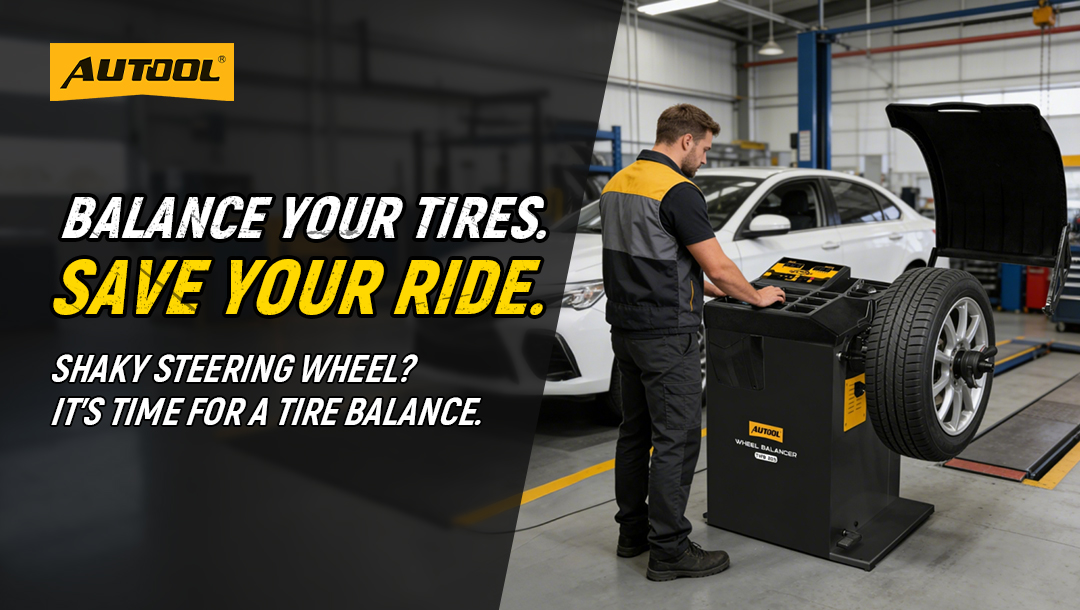
When most drivers think about wheel balancing, they think of one thing—comfort.
A smoother ride, less vibration, and a better driving experience.
But in reality, wheel balancing goes far beyond comfort.
It plays a crucial role in your vehicle’s safety, performance, and long-term maintenance costs.
Ignoring wheel balance might seem harmless at first—but over time, it can lead to serious consequences.
What Is Wheel Imbalance?
Wheel imbalance occurs when the weight of a tire and wheel assembly is not evenly distributed.
Even a small imbalance can cause noticeable vibration, especially at higher speeds. As the wheel rotates, this uneven distribution creates additional stress on the tire and suspension system.
What Happens If You Don’t Balance Your Wheels?
1. Uncomfortable Driving Experience
One of the first signs of wheel imbalance is vibration.
You may feel it in the steering wheel, floor, or even the seat—especially when driving at higher speeds.
2. Faster Tire Wear = Higher Costs
Unbalanced wheels cause uneven tire wear, significantly reducing tire lifespan.
Instead of wearing evenly, certain areas wear out faster, forcing you to replace tires more frequently.
👉 Over time, this means higher maintenance costs and wasted money.
3. Reduced Safety on the Road
This is the most critical issue.
Wheel imbalance can affect:
- Vehicle stability
- Steering control
- Braking performance
In emergencies or at high speeds, even a small imbalance can increase the risk of losing control.
When Should You Balance Your Wheels?
Wheel balancing isn’t something you do once and forget. It should be part of regular vehicle maintenance.
You should balance your wheels:
- After installing new tires
- After hitting potholes or curbs
- When you feel vibration while driving
- During routine tire service
How a Wheel Balancer Solves the Problem
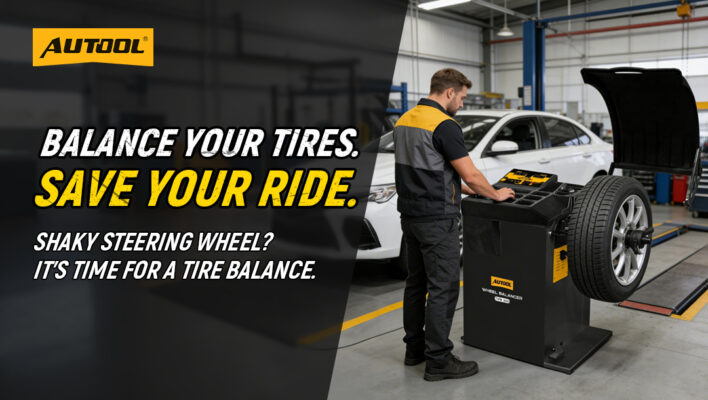
A wheel balancer machine is designed to detect even the smallest imbalance in your wheel assembly.
Analyzing the rotation and weight distribution, it helps technicians apply precise counterweights to restore balance.
The result:
- Smoother driving
- Even tire wear
- Better vehicle stability
Why Professional Wheel Balancers Matter
Not all balancing methods are equally accurate.
Professional-grade wheel balancers offer:
- High precision measurement for accurate results
- Faster operation for improved workshop efficiency
- Wide compatibility with different tire sizes and vehicle types
For workshops, this means better service quality and higher customer satisfaction.
For car owners, it means safer driving and lower long-term costs.
A Smart Investment for Your Garage
If you run an auto repair shop or are planning to upgrade your equipment, investing in a reliable wheel balancer is essential.
A high-quality machine can help you:
- Deliver consistent and professional results
- Handle more vehicles efficiently
- Build trust with your customers
👉 Choosing the right equipment is not just about tools—it’s about improving your overall service capability.
Conclusion: It’s About More Than Comfort
Wheel balancing is not just about making your ride smoother.
It’s about protecting your tires, reducing costs, and ensuring driving safety.
Whether you’re a car owner or a professional technician, understanding its importance—and using the right tools—can make a real difference.
Quick Comparison
|
Without Wheel Balancing |
With Wheel Balancing |
|
Steering vibration |
Smooth driving |
|
Uneven tire wear |
Extended tire life |
|
Reduced stability |
Better control |
|
Higher maintenance cost |
Cost-efficient performance |
Call to Action
Looking for a reliable wheel balancer for your workshop?
Contact us today to get expert advice and find the best solution for your needs.
- WhatsApp: +86 189 2647 7404
- Email: shop@autooltech.com
 Home
Home Shopping Guide
 Product
 Wheel Aligner Machine
 Smoke Leak Detector
 Fuel Injector Tester
 Brake Fluid Exchanger
 Dry lce Blasting Machine
 Walnut Sand De-Carbon Cleaner
 Refrigerant Recovery Machine
 Articulating Borescope
 Transmission Fluid Exchanger
 Spark Plug Tester
 Battery System Tester
 Engine Pressure Tester
 Diagnostic Multimeter
 Key Frequency Tester
 Maintenance Environment Tester
 Pneumatic Oil Drainer & Extractor
 Oil Analysis Tester
 Circuit Tester
 OBD Diagnostic Tool
 Digital Manifold Gauge
 Inverter Programming Power Supply
 EV Charging
 Used Car Diagnostic Tester
 Cooling System Tester and Filler
 Workshop Tool Storage Series
 EV Battery Pack Air Tightness Tester
 Wheel Alignment Machines
 ACCESSORIES&OTHER
 News
News Help Center
 Custom Solutions (OEM & ODM)
 Track My Order
 Online Support