Product Presentation, Product Reviews
Do you really need brake fluid exchange?
In modern automotive maintenance, the safety of the braking system is paramount. As the core medium of the hydraulic system, brake fluid directly impacts braking performance if its moisture content exceeds standards or if it deteriorates.
So the question arises—do you really need a brake fluid exchanger?
If you’re an auto shop owner, an independent technician, or a professional looking to boost repair efficiency, this article will provide you with a clear answer.
I. How long does a manual brake fluid change take?
The traditional manual fluid change process typically involves:
• Two-person coordination (one person depressing the brake pedal, another draining the fluid)
• Bleeding each wheel individually
• Repeatedly checking for bubbles
• Preventing air ingress into the system
⏱ Average time: 30–60 minutes per vehicle
Processing may take longer under these conditions:
• Vehicles with complex ABS systems
• Persistent air pockets despite multiple bleed cycles
• Technician inexperience
• Rusted bleed screws causing removal difficulties
Additionally, manual fluid changes present several significant drawbacks:
• ❌ Incomplete air purging
• ❌ Increased risk of brake fluid contamination
• ❌ High labor intensity
• ❌ Low efficiency, impacting shop turnaround rates
For workshops servicing multiple vehicles daily, both time and labor costs escalate rapidly.
II. Working Principle of Brake Fluid Exchangers.
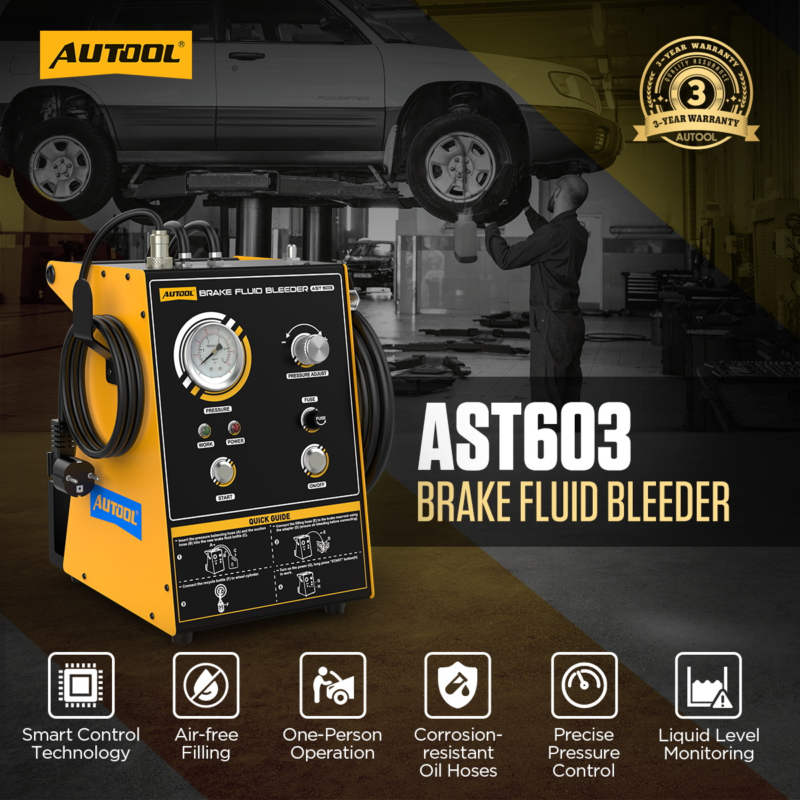
Using professional equipment as an example, the workflow is as follows:
- Connect the device to the brake fluid reservoir
- Set the appropriate working pressure
- Start the device
- Fresh fluid pushes out old fluid under constant pressure
- Automatically completes the circulation replacement
Technical Advantages:
✔ Constant pressure output prevents air ingress into the system
✔ Operable by a single technician
✔ Compatible with ABS/ESP systems
✔ Ensures more thorough replacement
✔ Significantly reduces labor time
⏱ Average Duration: Entire vehicle replacement completed in 10–20 minutes
What does this mean?
👉 Service 3–5 more vehicles per day
👉 Reduce labor costs
👉 Enhance professional image
👉 Increase profit margins
For modern repair shops, this is no longer a question of “if” but “when” to upgrade.
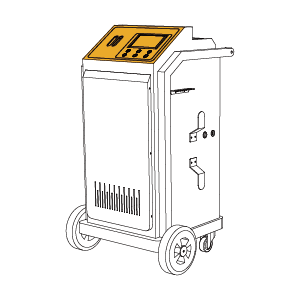
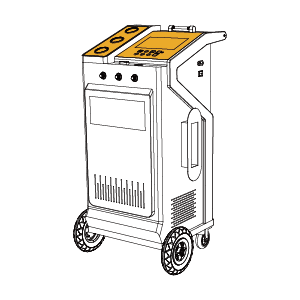
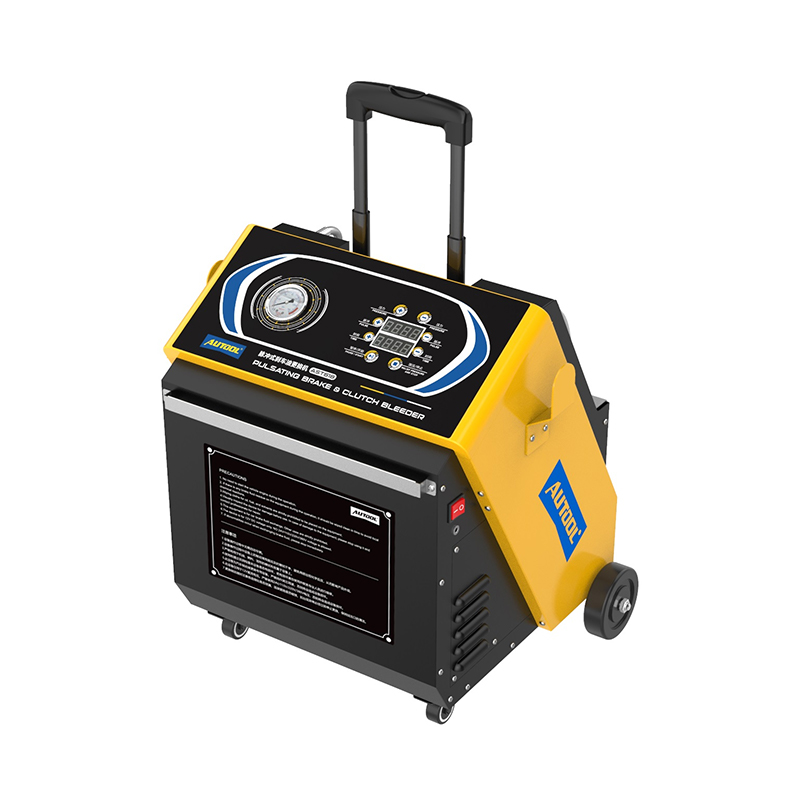
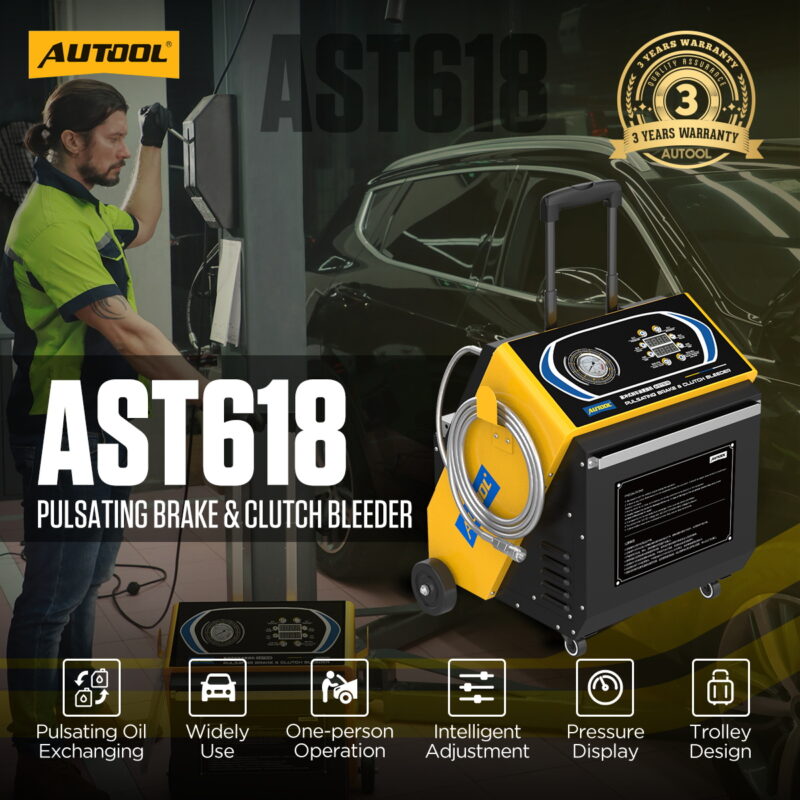
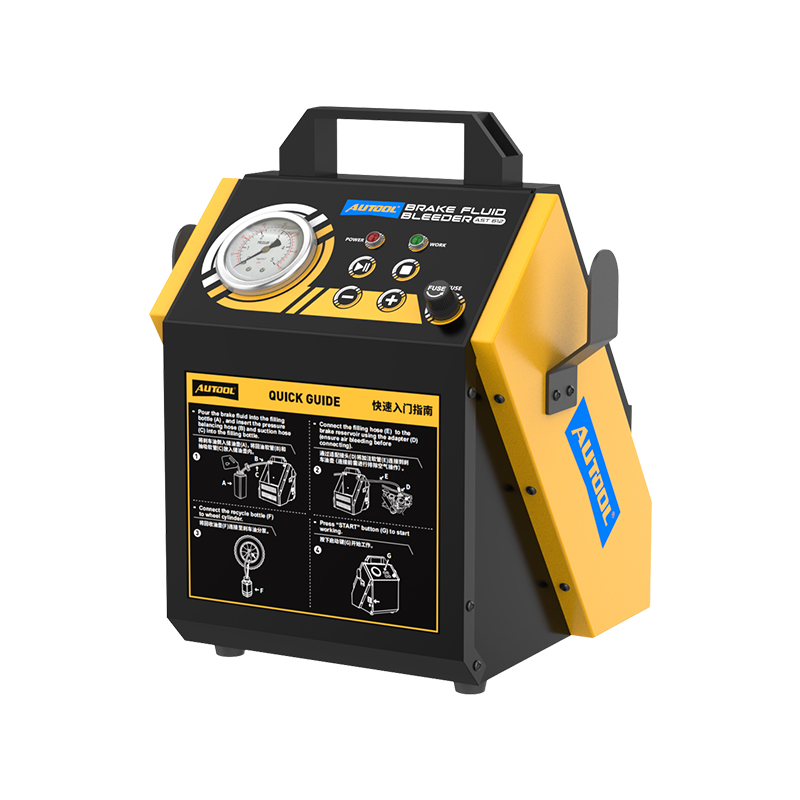
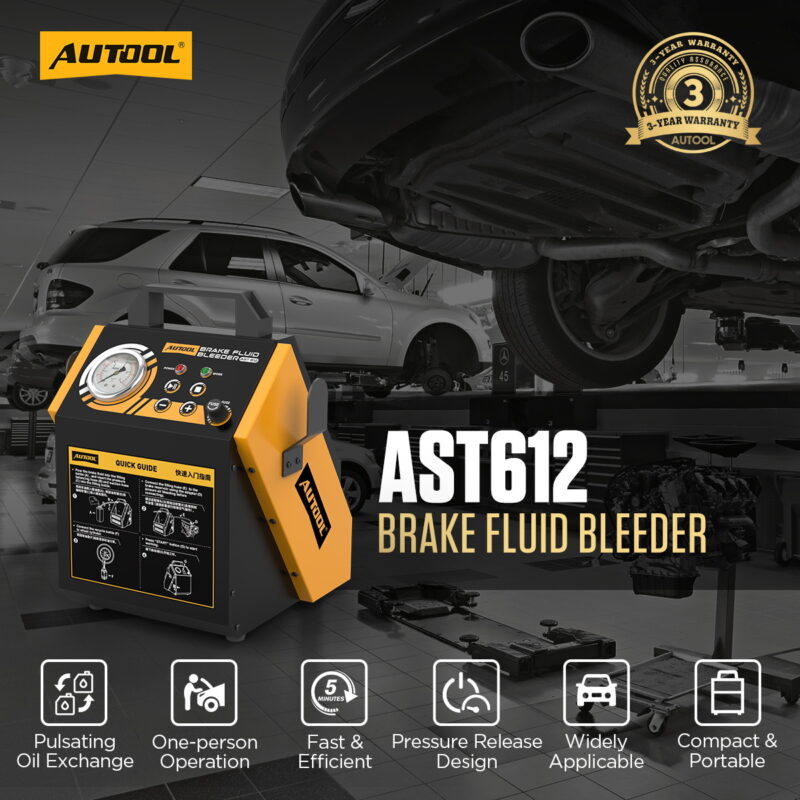
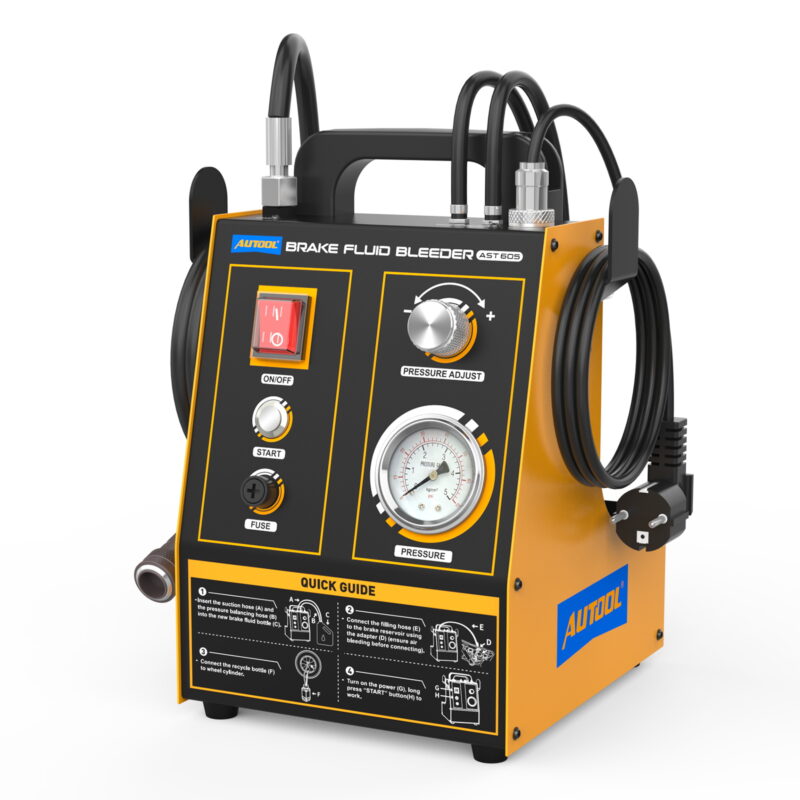
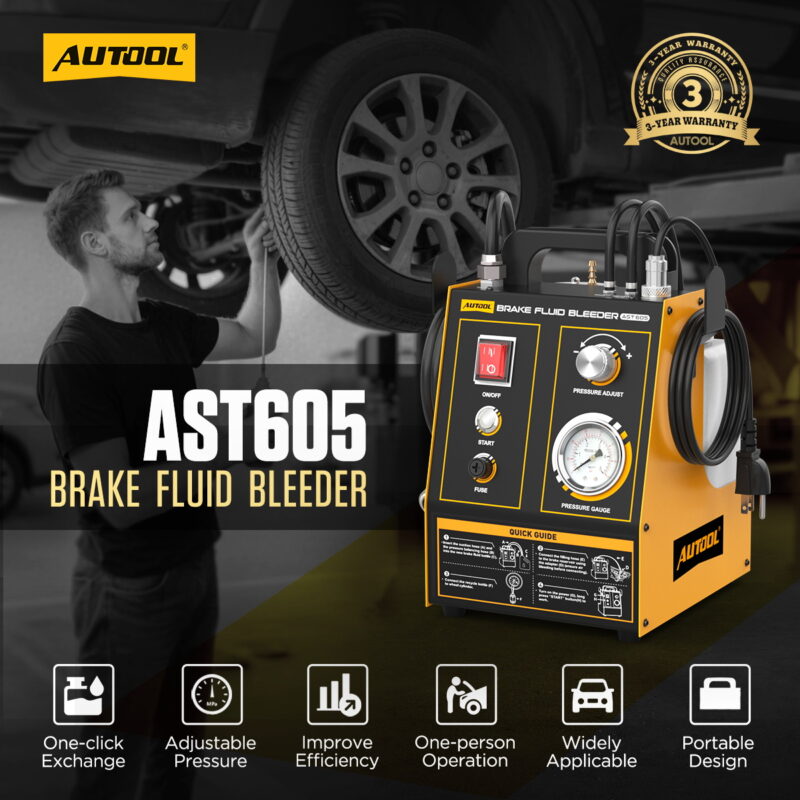
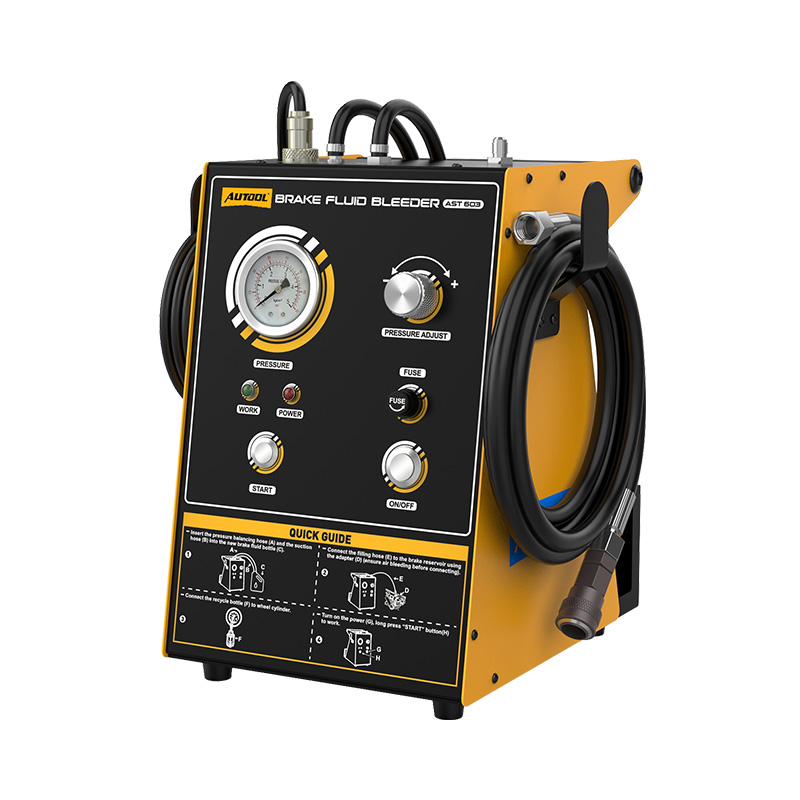
If you’re seeking a stable, efficient, and commercially viable solution, the AUTOOL AST618 is a professional choice worth considering.III. Product Recommendation: AUTOOL AST618 Brake Fluid Exchanger
🔧 Core Advantages
1️⃣ Intelligent Constant Pressure System
Ensures stable pressure output, effectively preventing air ingress into the brake system.
2️⃣ Single-Operator Design
Requires no second person, saving labor costs.
3️⃣ High Compatibility
Supports multiple vehicle models, including modern vehicles equipped with ABS/ESP systems.
4️⃣ Visual Control Panel
Simple and intuitive operation allows even beginners to get started quickly.
5️⃣ Commercial-Grade Construction
Durable materials make it suitable for high-frequency use in repair environments.
Get Discount
IV. Why Should Auto Repair Shops Prioritize Installing Brake Fluid Exchangers?
• ✔ Payback period
• ✔ Service efficiency
• ✔ Customer satisfaction
• ✔ Brand image
Assuming:
• Each brake fluid change charges $80–150
• 2 additional jobs per day
• 40 additional jobs per month
The equipment cost could be recouped in a short timeframe.
More importantly—customers witnessing professional equipment operation will trust your repair capabilities more.
V. Conclusion: Do You Really Need It?
• Change brake fluid for multiple vehicles monthly
• Want to boost repair efficiency
• Want to reduce manual operation risks
• Want to enhance your workshop’s professional image
The answer is—yes, you really need a brake fluid exchanger.
And the AUTOOL AST618 is precisely the efficient solution tailored for modern auto repair shops.
If you’re upgrading your maintenance equipment system, now is the perfect time.
Let professional equipment help you boost efficiency and profits. 🚗💰
$239.00 – $298.00
-48%
NEW
$209.00 – $239.00
 Home
Home Shopping Guide
 Product
 Wheel Aligner Machine
 Smoke Leak Detector
 Fuel Injector Tester
 Brake Fluid Exchanger
 Dry lce Blasting Machine
 Walnut Sand De-Carbon Cleaner
 Refrigerant Recovery Machine
 Articulating Borescope
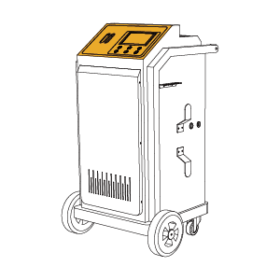 Transmission Fluid Exchanger
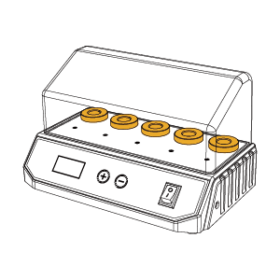 Spark Plug Tester
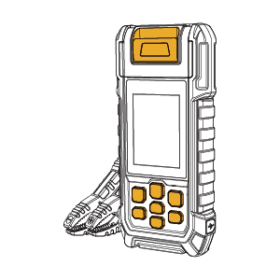 Battery System Tester
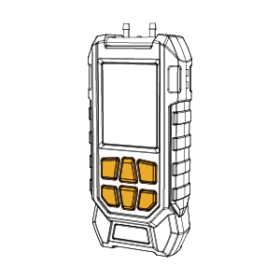 Engine Pressure Tester
 Diagnostic Multimeter
 Key Frequency Tester
 Maintenance Environment Tester
 Pneumatic Oil Drainer & Extractor
 Oil Analysis Tester
 Circuit Tester
 OBD Diagnostic Tool
 Digital Manifold Gauge
 Inverter Programming Power Supply
 EV Charging
 Used Car Diagnostic Tester
 Cooling System Tester and Filler
 Workshop Tool Storage Series
 EV Battery Pack Air Tightness Tester
 Wheel Alignment Machines
 ACCESSORIES&OTHER
 News
News Help Center
 Custom Solutions (OEM & ODM)
 Track My Order
 Online Support