
AUTOOL Blog, Purchase Guides
Is a 3D wheel alignment machine worth the investment?
In today’s competitive automotive aftermarket, repair shops must ensure quality, boost efficiency, reduce rework, and build customer trust. As a core service in chassis maintenance, wheel alignment equipment affects vehicle stability, tire wear, and long-term satisfaction. Therefore, adopting advanced 3D wheel alignment systems has become a key decision for many shop operators.
This article will objectively analyze whether investing in an automotive alignment machine is worthwhile for workshops, examining its technical principles, practical operational value, and return on investment.
What is 3D Wheel Alignment Equipment?
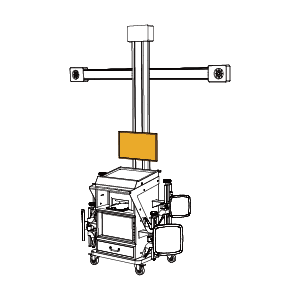
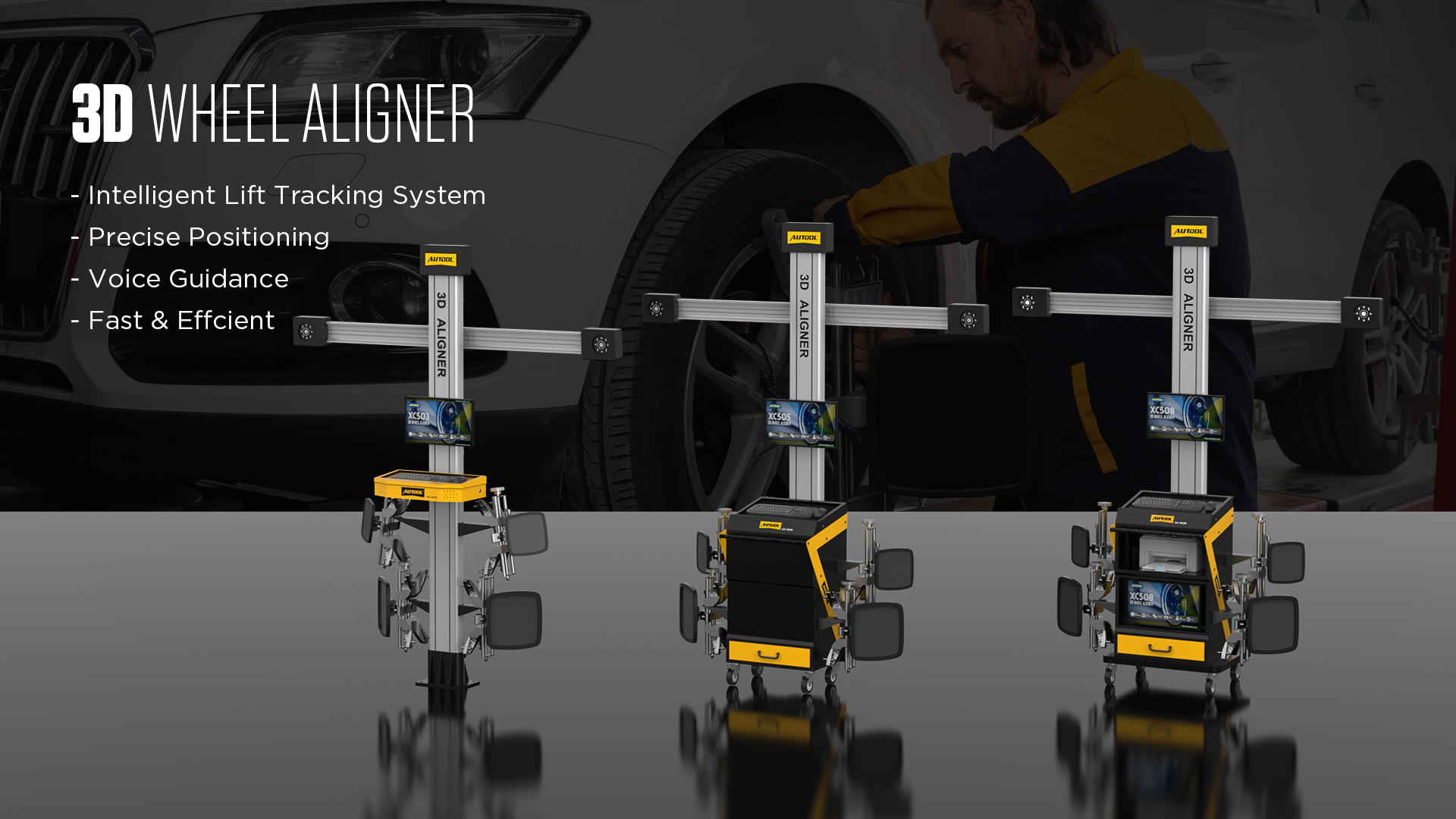
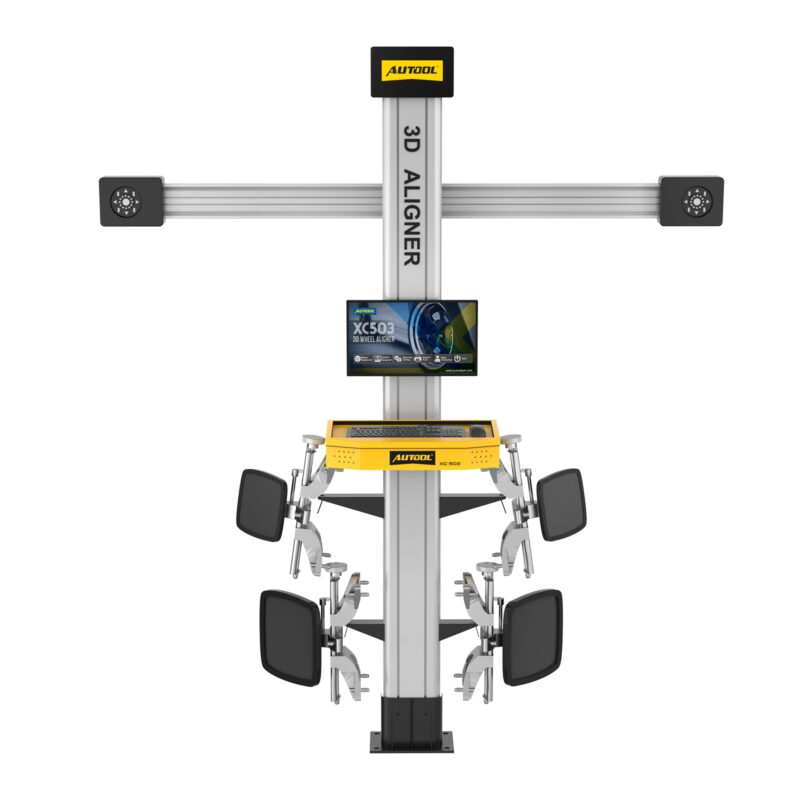
3D wheel alignment equipment captures wheel position data through a camera system and reflective targets, then uses software algorithms to calculate the geometric relationship between the wheels and the vehicle body. The system displays key parameters in real time—including toe angle, camber angle, caster angle, and thrust angle—and compares them against standard values in the manufacturer database, guiding technicians toward precise adjustments.
Compared to traditional mechanical or string-line alignment methods, 3D systems emphasize data acquisition and algorithmic calculations, minimizing human reading errors and making the entire alignment process more standardized and repeatable.
How the Automotive Alignment Machine Works
The 3D automotive alignment machine captures positional data via wheel targets and imaging units, cross-referencing it in real-time against a vehicle model database. Technicians monitor parameter changes during adjustments and gradually refine values to meet manufacturer specifications based on on-screen prompts. The system emphasizes real-time feedback and standardized procedures, enhancing control and consistency in alignment operations.
For repair shops, this data-driven approach reduces human judgment bias and helps establish more stable operational workflows.
How Accurate is Wheel Alignment Equipment?
The accuracy of wheel alignment equipment relies on hardware, software, and operational protocols. Factors like camera resolution, target stability, and algorithm performance impact data quality. Regular calibration, vehicle measurement state, and a level ground surface are also crucial.
When used according to specifications and maintained as required, modern 3D wheel alignment systems can meet routine maintenance and after-sales service needs while delivering measurement results with excellent repeatability. However, it must be emphasized that any alignment equipment left uncalibrated for extended periods cannot guarantee its accuracy.
The Value of 3D Automotive Alignment Machines for Repair Shops
First, it manifests in measurement stability and consistency. When installed according to specifications, placed on level ground, and calibrated regularly, 3D systems deliver highly repeatable results. This data stability significantly reduces rework, prevents misalignment, and boosts first-time repair success rates. Compared to reliance on experience-based judgment, digital measurement facilitates more controllable processes.
Second, operational efficiency is typically enhanced. Traditional alignment requires multiple measurements and manual adjustments, whereas 3D automotive alignment systems provide real-time feedback on numerical changes during adjustments. This allows technicians to monitor data trends while making adjustments, thereby shortening overall operation time. For repair shops with high vehicle throughput, this efficiency gain directly translates into higher workstation utilization and increased revenue.
Additionally, 3D alignment systems enhance repair transparency. When customers can review pre- and post-adjustment data comparisons, they better understand the necessity of repairs—particularly when explaining suspension component replacements or abnormal tire wear. This data-driven presentation improves communication efficiency while reinforcing the shop’s professional image.
Can Wheel Alignment be Performed Without Wheel Alignment Equipment?
Theoretically, traditional string methods or mechanical tools can still perform basic alignment adjustments. As vehicle suspension structures become more complex, relying on experience and basic tools makes it hard to accurately measure parameters like rear wheel camber and multi-link suspension angles.
Without specialized equipment, alignment results often lack quantifiable precision and cannot generate standardized reports. For repair shops pursuing standardized management and brand image, traditional methods alone fail to meet modern vehicle technical requirements. Operationally, lacking professional alignment equipment not only reduces efficiency but also increases post-service risks.
Is Wheel Alignment Equipment Worth the Investment?
While the initial cost of a 3D wheel alignment system exceeds traditional equipment, its value manifests in long-term operations. Improved alignment efficiency increases daily throughput, standardized results reduce rework and customer disputes, while visual reports enhance customer trust and facilitate upselling of additional repair services.
For workshops with stable vehicle traffic and a high proportion of chassis and tire services, 3D alignment systems typically qualify as efficiency-driven investments. Whether it’s worthwhile depends on the workshop’s business structure and development plans, not merely on equipment cost comparisons.
Conclusion
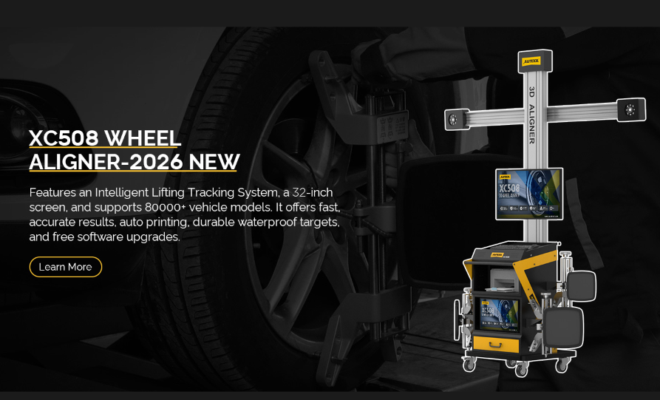
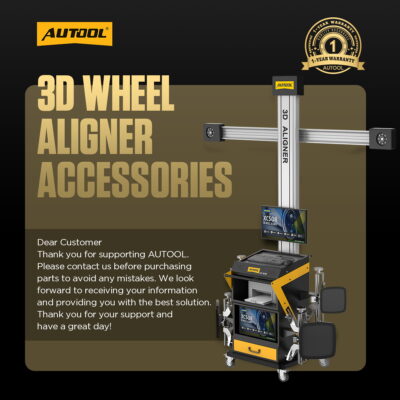
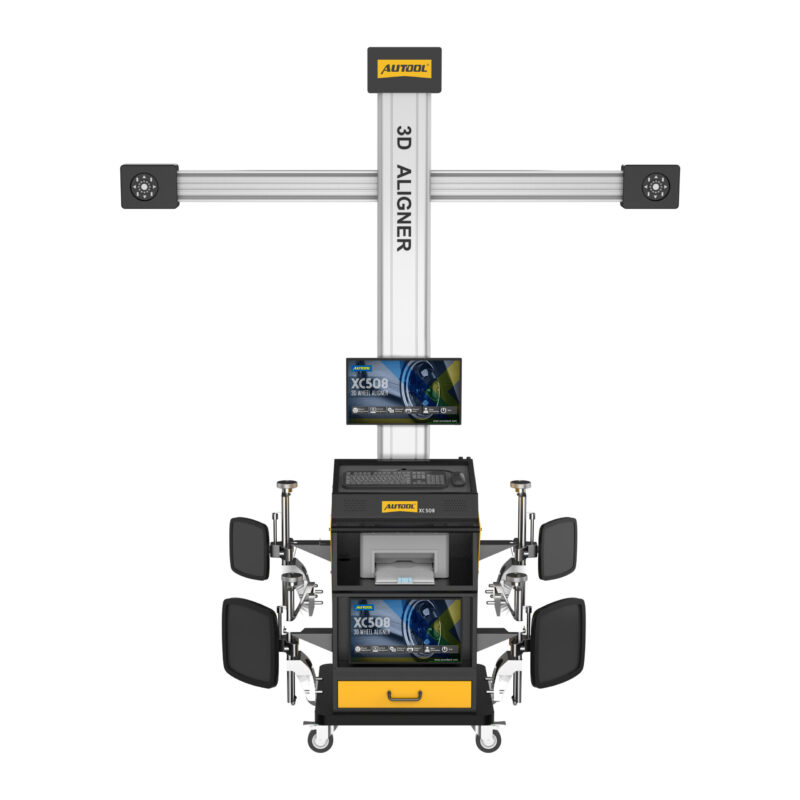
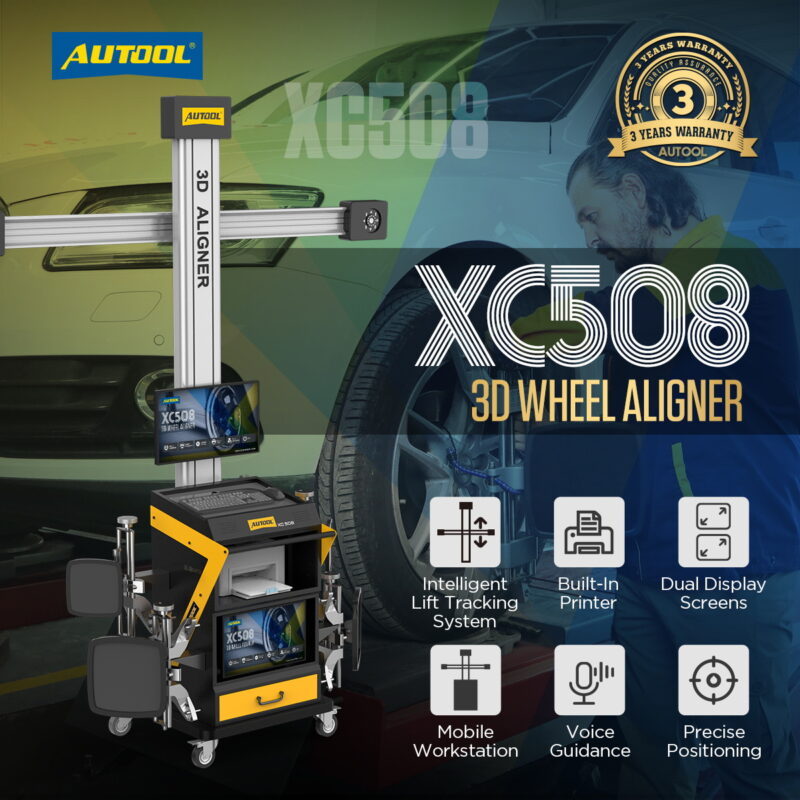
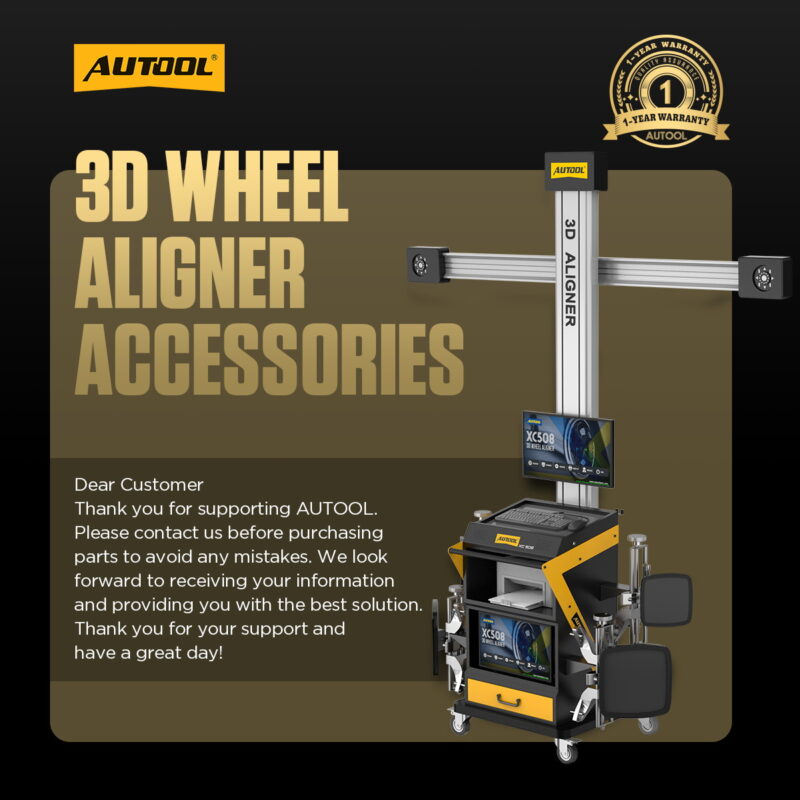
For repair shops aiming to improve service, streamline operations, and build customer trust, the AUTOOL XC508 3D wheel alignment system offers efficiency, clear data, and standardized operations.
Investment decisions should be evaluated holistically based on workshop scale, vehicle throughput, and long-term development goals. However, within the context of modern vehicle technology, data-driven alignment has progressively become the mainstream trend.
WhatsApp: +86 189 2647 7404
Email: shop@autooltech.com
Hot Wheel Alignment Machine for Sale
Related blogs


 Home
Home Shopping Guide
 Product
 Wheel Aligner Machine
 Smoke Leak Detector
 Fuel Injector Tester
 Brake Fluid Exchanger
 Dry lce Blasting Machine
 Walnut Sand De-Carbon Cleaner
 Refrigerant Recovery Machine
 Articulating Borescope
 Transmission Fluid Exchanger
 Spark Plug Tester
 Battery System Tester
 Engine Pressure Tester
 Diagnostic Multimeter
 Key Frequency Tester
 Maintenance Environment Tester
 Pneumatic Oil Drainer & Extractor
 Oil Analysis Tester
 Circuit Tester
 OBD Diagnostic Tool
 Digital Manifold Gauge
 Inverter Programming Power Supply
 EV Charging
 Used Car Diagnostic Tester
 Cooling System Tester and Filler
 Workshop Tool Storage Series
 EV Battery Pack Air Tightness Tester
 Wheel Alignment Machines
 ACCESSORIES&OTHER
 Help Center
 News
News Track My Order
 Online Support
 Affiliate Marketing