








AUTOOL Blog, Product Presentation
Why Must Car Alignment Machine Be Performed On Level Ground?
1. Common Complaints About Wheel Alignment Services
Many repair shops encounter three types of issues:
- Customers experience drifting on highways after alignment
- Tires wear unevenly despite being recently replaced
- Vehicles pass workshop tests (“green data”) but fail customer road tests
Shops often assume: “Is the alignment machine inaccurate?”
Yet in most cases, the real culprits are:
- Substandard workshop floor conditions
- Improper lift selection
In other words: Even the best car alignment machine yields unstable results without standardized workstations. This is precisely the issue addressed in this article.
2. Why Must Wheel Alignment Be Performed on Level Ground?
Reason 1: Only on level ground does the suspension operate in its “true working state.”
You may have seen this in workshops: A vehicle suspended on a lift, where you inspect the suspension, ball joints, and control arms. You “visually confirm” the body is straight, but once the vehicle is lowered, its posture has actually changed.
Wheel alignment measures the geometric relationship between the tires, suspension, and body—not the body itself. This relationship is only accurate when the vehicle is fully loaded and all four wheels bear equal force.
If the ground is uneven:
- Left and right wheels bear different forces
- Suspension compression varies
- The body may experience slight distortion
Camber/Toe settings calibrated under these conditions are essentially “good data on crooked ground,” not “good data on the road.”
Standard practice: Alignment must ultimately be performed on level ground with the vehicle fully loaded.
This is the first red line repair shops must avoid to prevent rework.
Reason 2: Uneven floors directly amplify alignment errors
What do repair shops encounter?
Some workshops might say: “My floor is just like this—can’t the equipment compensate for it?”
Reality is: No.
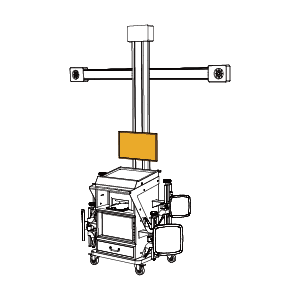
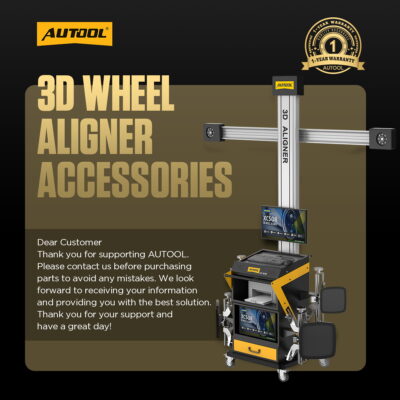
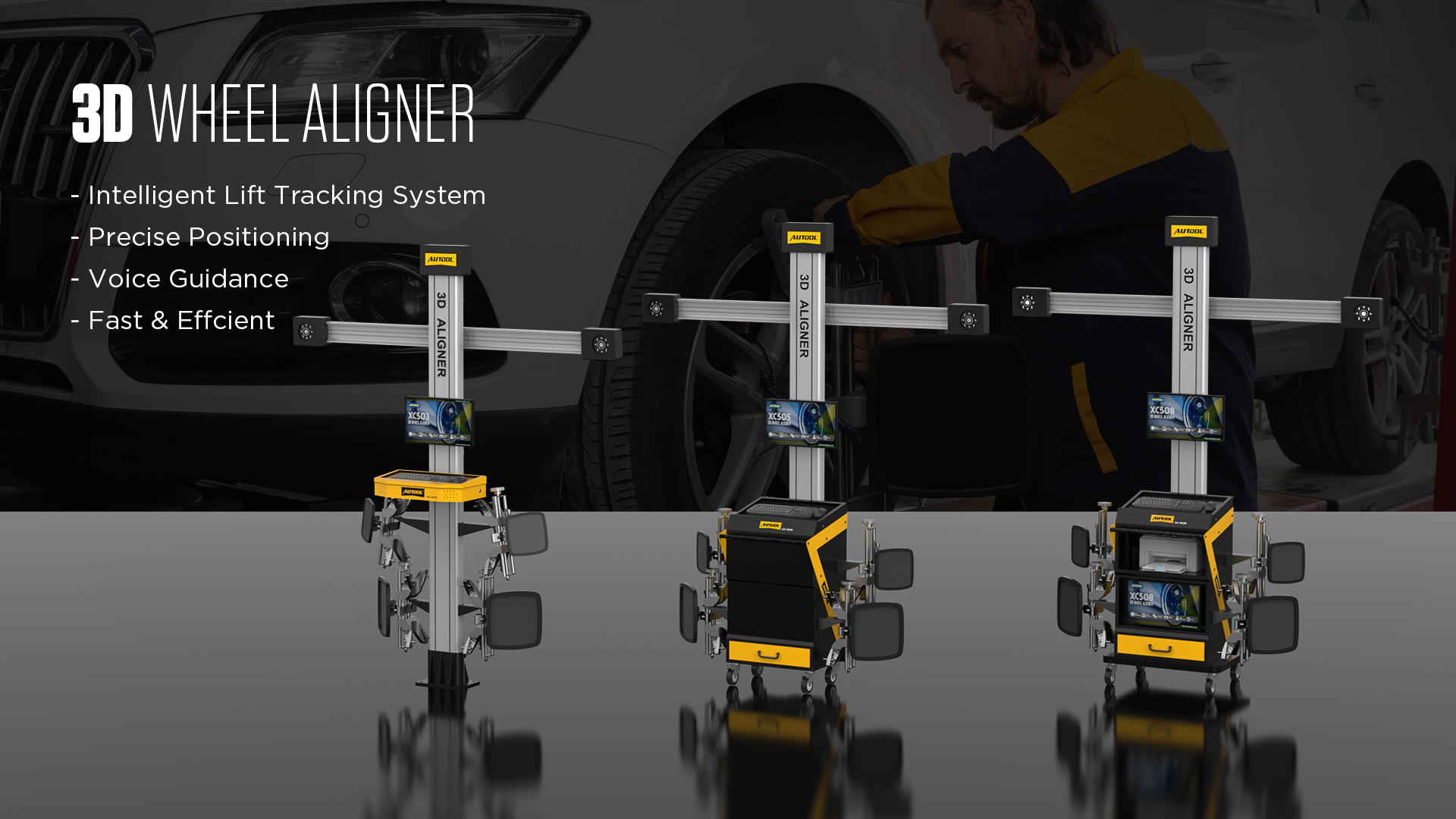
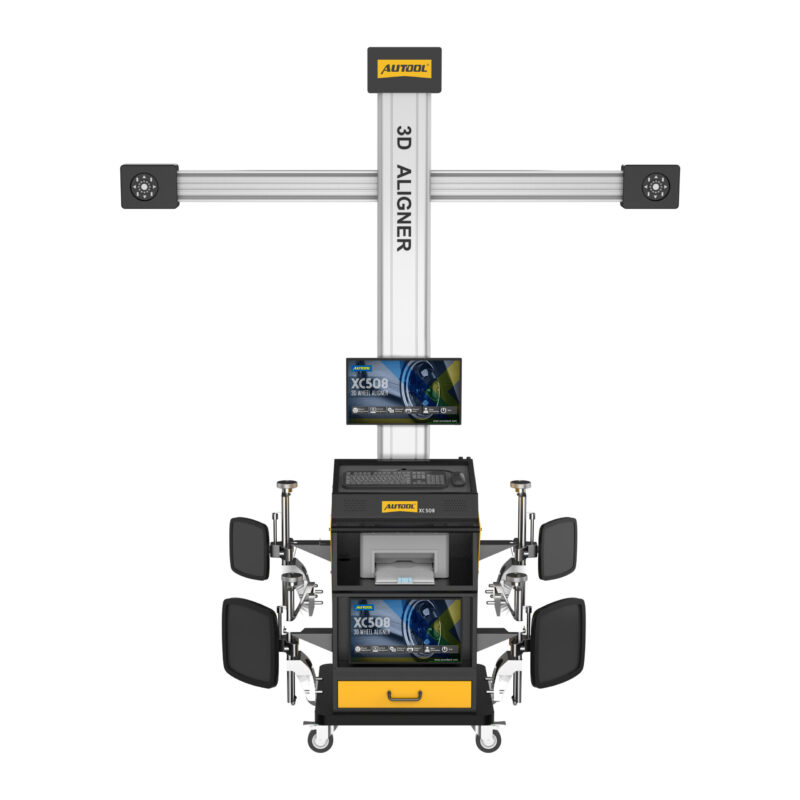
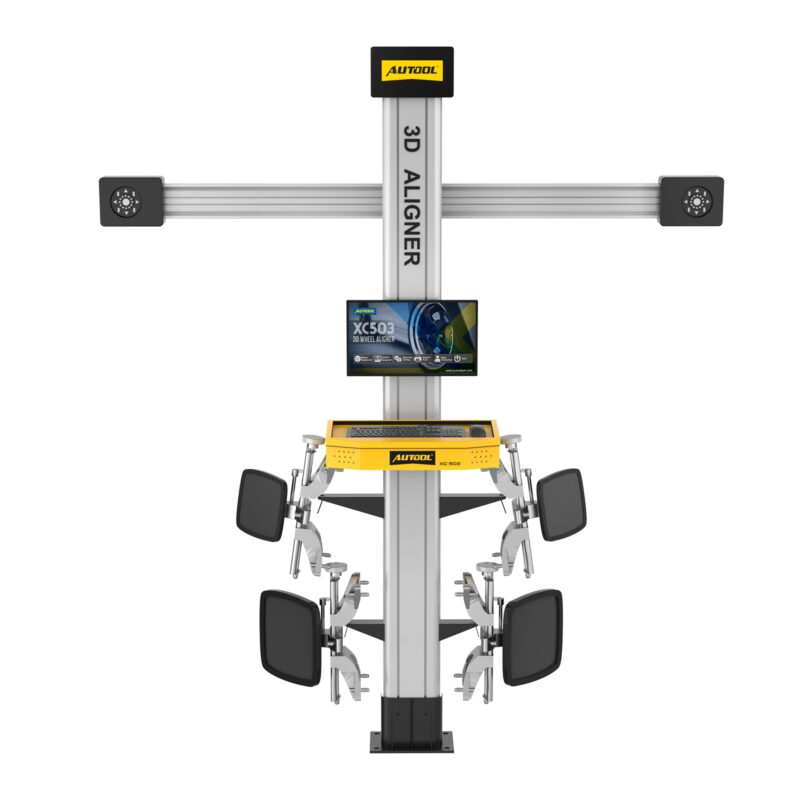
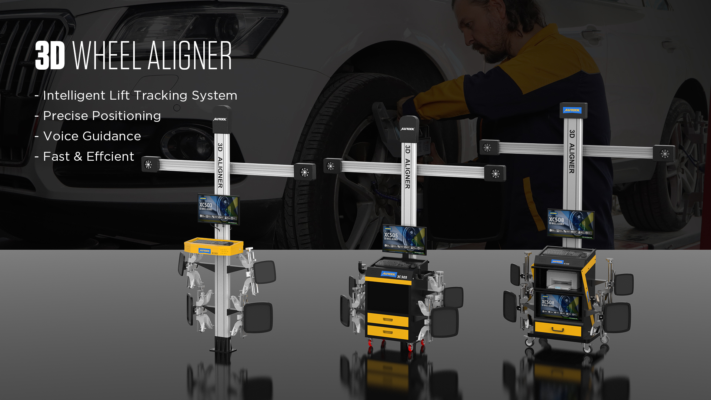
Reason: Modern wheel alignment systems (including the AUTOOL XC508) establish a vehicle reference plane using cameras/sensors + reflectors + software algorithms.
If the floor is uneven, the vehicle’s posture is inherently skewed. The equipment can only “accurately measure the skewed state.” Consequently, the software cannot distinguish “whether the issue stems from the floor or the vehicle.” The result may be precise measurements, but they reflect the “incorrect posture of the car.”
If you frequently encounter:
- Significant variation in measurements for the same vehicle at different times
- Unstable results even after repeated recalibration by technicians
You most likely need to improve your workshop floor first, not replace your equipment.
Reason 3: The “settling variation” after lifting and landing must be eliminated on level ground.
Many repair shops operate like this:
- First lift the vehicle using a standard two-post lift.
- Loosen control arms, adjust eccentric bolts, replace parts.
- Then lower the vehicle for alignment.
The problem lies here:
- After landing, the suspension requires “resettling.”
- Tire load distribution shifts
- Vehicle posture undergoes minor adjustments
If the landing surface is uneven: You can never determine whether the vehicle is misaligned or if the ground is skewing the data.
Shop Conclusion: During final fine-tuning, the vehicle must be positioned on level ground + within the alignment bay.
3. Three Common Yet Non-Standard Practices in Repair Shops
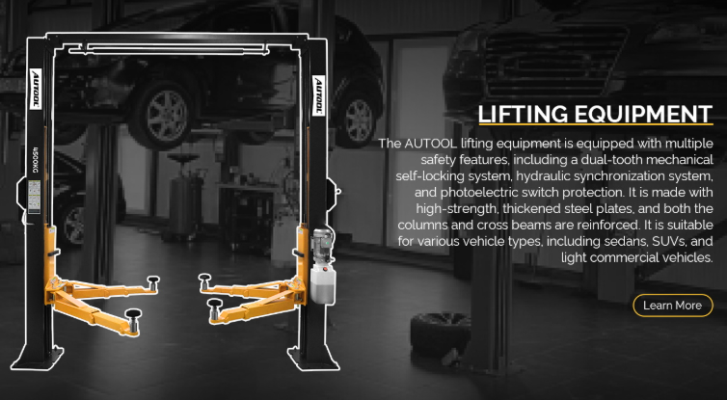
Scenario A: Using a Standard Two-Post Lift as a Final Alignment Station
Common Reasons: Cost-saving, space constraints
Actual Issues:
- Vehicle suspended in air renders data meaningless
- Only suitable for component inspection, not final alignment
Scenario B: Using a Noticeably Sloped Floor as a “Make-Do” Solution
Common Consequences:
- Customer dissatisfaction during road tests
- High rework rate
- Technicians repeatedly questioned by customers; short-term savings lead to long-term losses (rework + complaints).
Scenario C: Lack of turntable/sliding platform
You’ll notice:
- Toe adjustment data “jumps back and forth”
- Steering wheel movement causes all readings to shift
This isn’t equipment failure—it’s incomplete workstation accessories.
Lifting Equipment For Sale
4. How to Configure a Standard Four-Wheel Alignment Station?
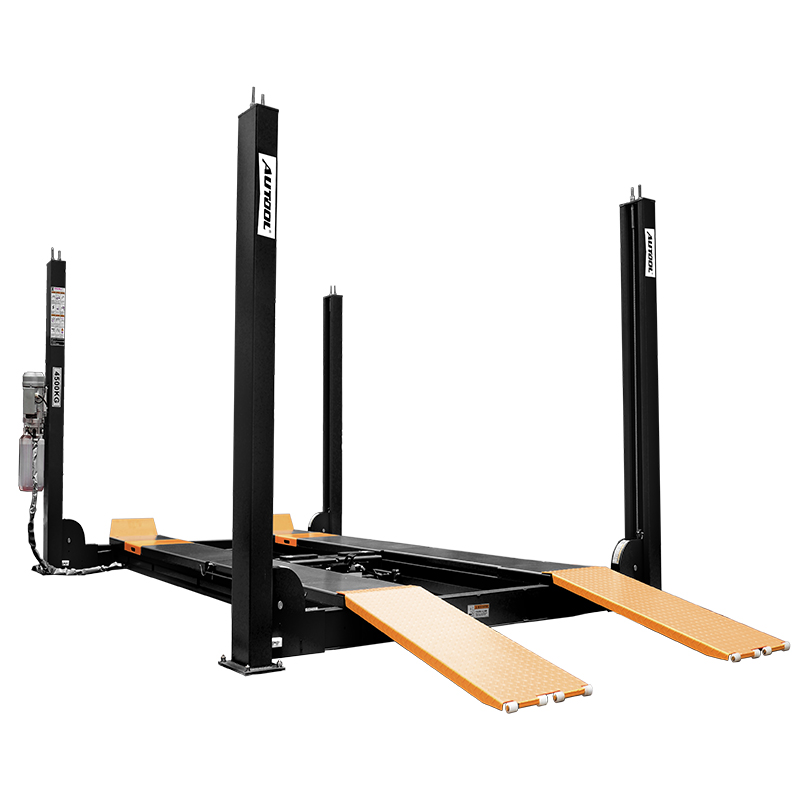
Option 1: Four-Post Alignment Lift + Turntable + Sliding Platform
Suitable For:
- Tire shops
- Professional alignment centers
- Medium to large repair shops
Advantages:
- Vehicle remains fully supported
- Front wheels can freely turn (turntable)
- Rear wheels can naturally slide (sliding platform)
- Stable data, lowest rework rate
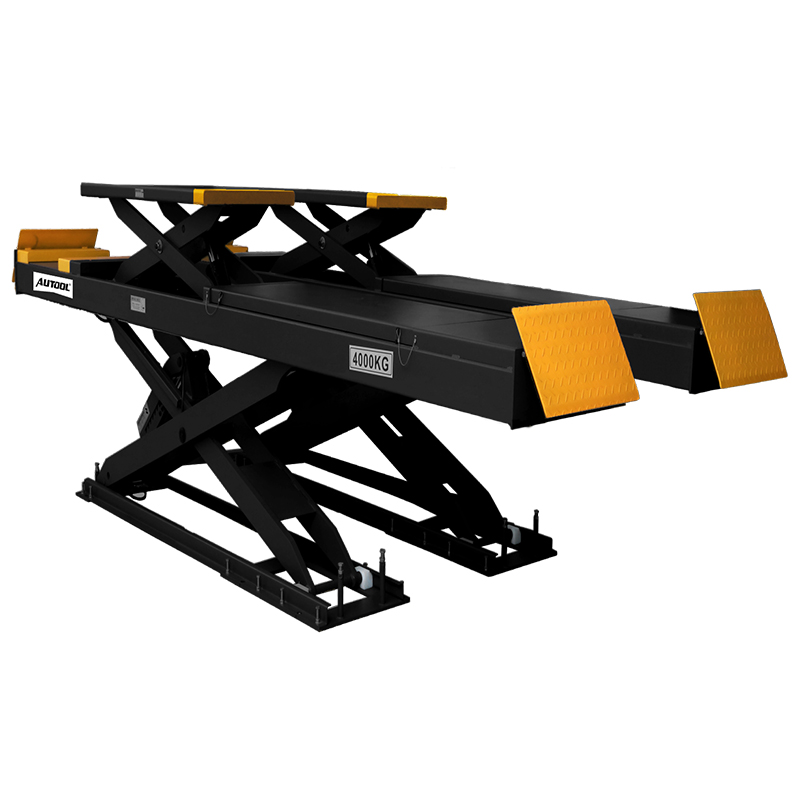
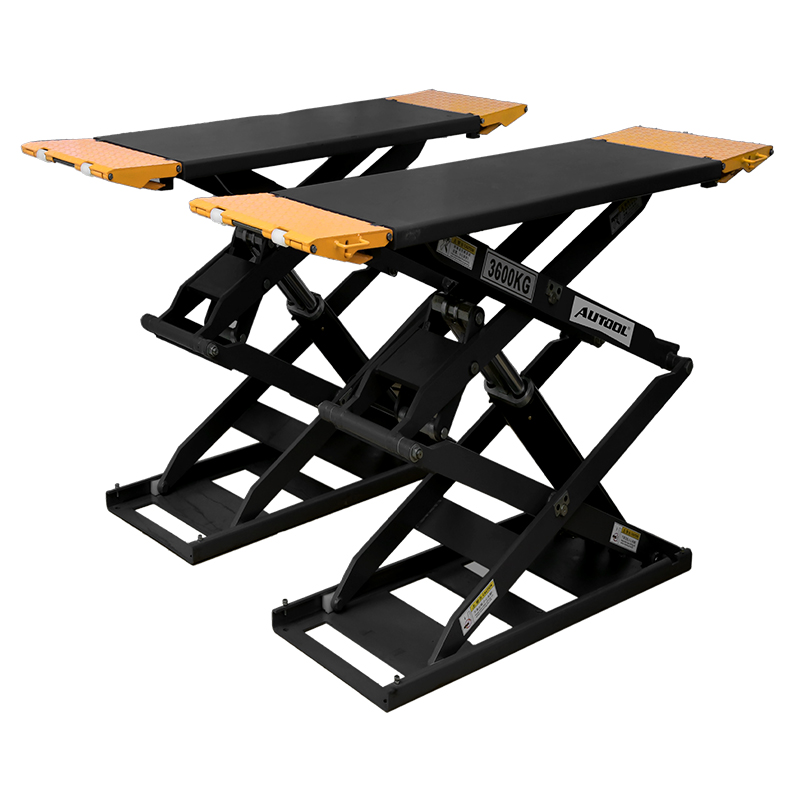
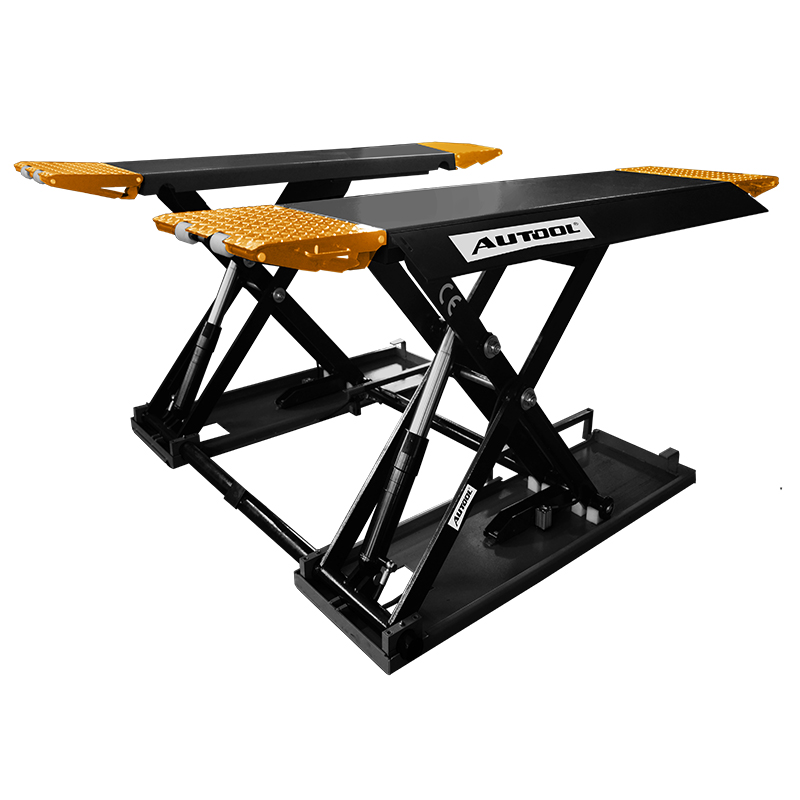
Option 2: Scissor Lift
Suitable for:
- Urban repair shops
- Workshops with restricted floor area
Advantages:
- Compact footprint
- User-friendly operation
- Vehicle positioning more closely mimics actual driving posture
Still recommended to pair with: Front turntable + Rear skid plate.
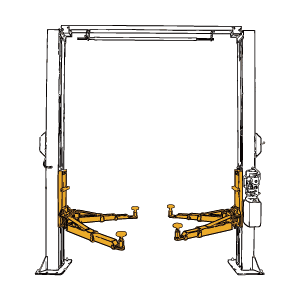
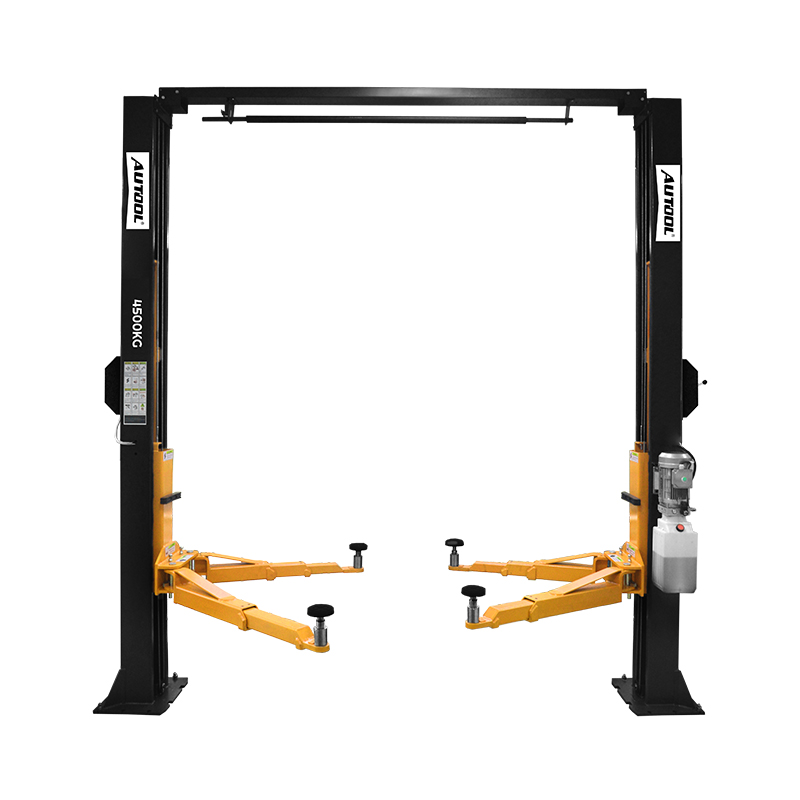
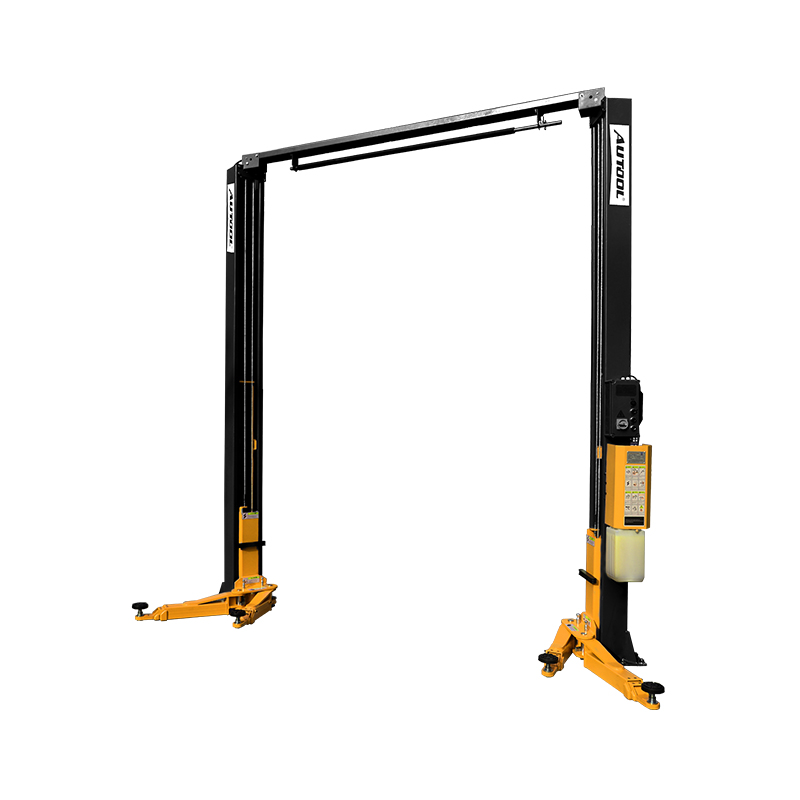
Option 3: Standard Two-Post Lift + Positioning Attachment
If budget is limited:
- Use a two-post lift for inspections and component adjustments initially
- However, final positioning must be ground-based, completed in a dedicated positioning area
Otherwise, you’ll face the long-term frustration of “impressive workshop data but mediocre on-road performance.”
5. Practical Application of AUTOOL XC508 in Standard Workstations
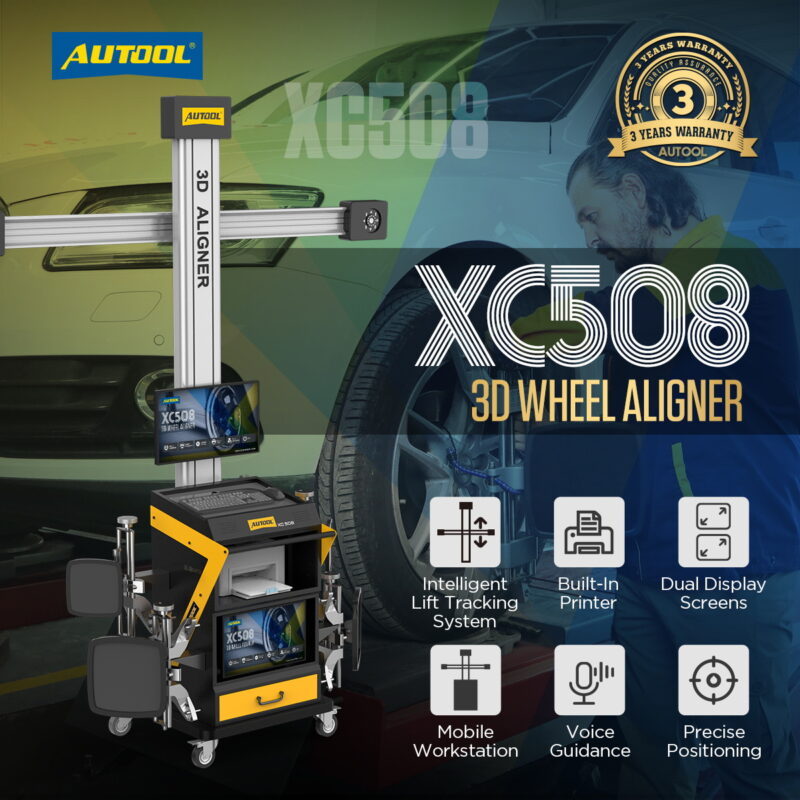
The true value of AUTOOL XC508 is realized when your floor and lift configurations are properly set up:
✅ Adaptive Height Recognition = Faster Vehicle Entry, Less Manual Adjustment
On four-post or scissor lifts:
- Varied vehicle heights (SUVs, sedans, sports cars)
- XC508 automatically adapts to vehicle stance
- Reduces technician manual calibration time
Value for repair shops = Increased labor efficiency.
✅ Dual Displays = Fewer Errors + Faster Workflow
Real-world scenario:
- One screen shows technicians step-by-step procedures
- One screen displays real-time data changes
New technicians learn faster, lowering owner training costs.
✅ Printed reports = Proof of professional workstations
When customers see:
- Pre-alignment = Red
- Post-alignment = Green
- Clear numerical comparisons
Customers trust: “This shop uses professional equipment and standardized processes.” This significantly boosts repair shops’ average transaction value.
6. Conclusion: Three Essential Principles for Repair Shops to Remember
- Uneven floors will compromise alignment results, no matter how expensive your equipment is.
- A combination of alignment lift + turntable + skid plate is more critical than purchasing individual pieces of equipment.
- The AUTOOL XC508 is “good equipment,” but only if you have a “standard workstation.”
wheel alignment equipment price
Call to Action
If you’re looking for the best wheel alignment machine for sale and at the same time want competitive dry ice blasting machine price options, we’re here to help.
AUTOOL specialists can recommend the right system for your business and get you up and running quickly.
👉 Get your exclusive discount for new customers plus a 3‑year warranty on all car alignment machine!
📩 Contact Us Today:
• WhatsApp: +86 189 2647 7404
• Email: shop@autooltech.com
Related blogs


 Home
Home Shopping Guide
 Product
 Wheel Aligner Machine
 Smoke Leak Detector
 Fuel Injector Tester
 Brake Fluid Exchanger
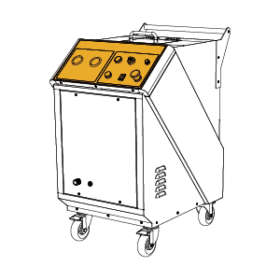 Dry lce Blasting Machine
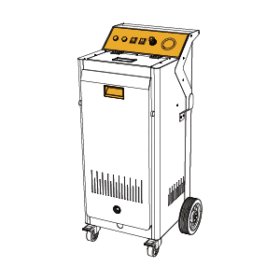 Walnut Sand De-Carbon Cleaner
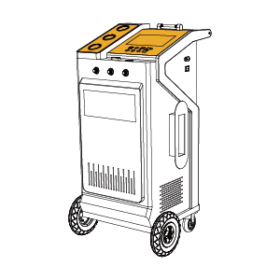 Refrigerant Recovery Machine
 Articulating Borescope
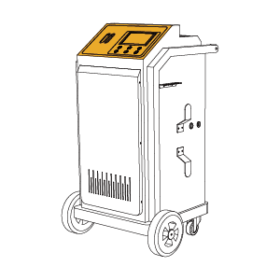 Transmission Fluid Exchanger
 Spark Plug Tester
 Battery System Tester
 Engine Pressure Tester
 Diagnostic Multimeter
 Key Frequency Tester
 Maintenance Environment Tester
 Pneumatic Oil Drainer & Extractor
 Oil Analysis Tester
 Circuit Tester
 OBD Diagnostic Tool
 Digital Manifold Gauge
 Inverter Programming Power Supply
 EV Charging
 Used Car Diagnostic Tester
 Cooling System Tester and Filler
 Workshop Tool Storage Series
 EV Battery Pack Air Tightness Tester
 Wheel Alignment Machines
 ACCESSORIES&OTHER
 Help Center
 News
News Track My Order
 Online Support
 Affiliate Marketing