AUTOOL Blog, Tips & Tutorials
How to do a Brake Fluid Flush – Check it and change it yourself!
Do you know how to change your car’s brake fluid yourself? In this article, we’ll show you how to tell when it’s time to replace your brake fluid and guide you through the process of using brake fluid flush kit for a DIY replacement. By following these simple steps, you can keep your brake system safe and reliable, while saving on expensive brake fluid change costs.
Brake Fluid Change: What It Is and Why It Matters?
A brake fluid change—also known as a brake fluid flush or brake bleeding—is the process of removing old, contaminated brake fluid from a vehicle’s hydraulic braking system and replacing it with fresh, clean fluid.Why do it? Over time, brake fluid absorbs moisture and air, which can cause the brake pedal to feel soft and increase stopping distances. In severe cases, old or contaminated fluid can damage brake lines or the ABS system. By performing a regular brake fluid change, you keep your brakes responsive and reliable, ensuring safe driving.
How to Know When It's Time to Replace Your Brake Fluid?
Brake fluid is not permanent; over time, it absorbs moisture from the air and can be affected by heat and contaminants, which reduces its performance. You can determine if a brake fluid change is needed by looking for the following signs:
-
Brake fluid color becomes dark or cloudy
Fresh brake fluid is usually clear or light yellow. If the fluid turns dark brown or noticeably cloudy, it may contain water, impurities, or have degraded, indicating that a brake fluid flush is necessary.
-
Brake pedal feels soft or spongy
If the brake pedal feels loose or you need to press it much further to achieve braking, it may signal air or moisture in the brake lines. This is also a common sign that the brake fluid is losing effectiveness.
-
Braking performance is inconsistent or stopping distance increases
Slow brake response, longer stopping distances, or uneven braking are often related to old or contaminated brake fluid.
-
ABS warning light or brake system fault appears
Modern vehicles, including BMWs, rely on high-quality brake fluid for ABS and stability systems. Excess moisture or dirty fluid can interfere with these systems and trigger warning lights.
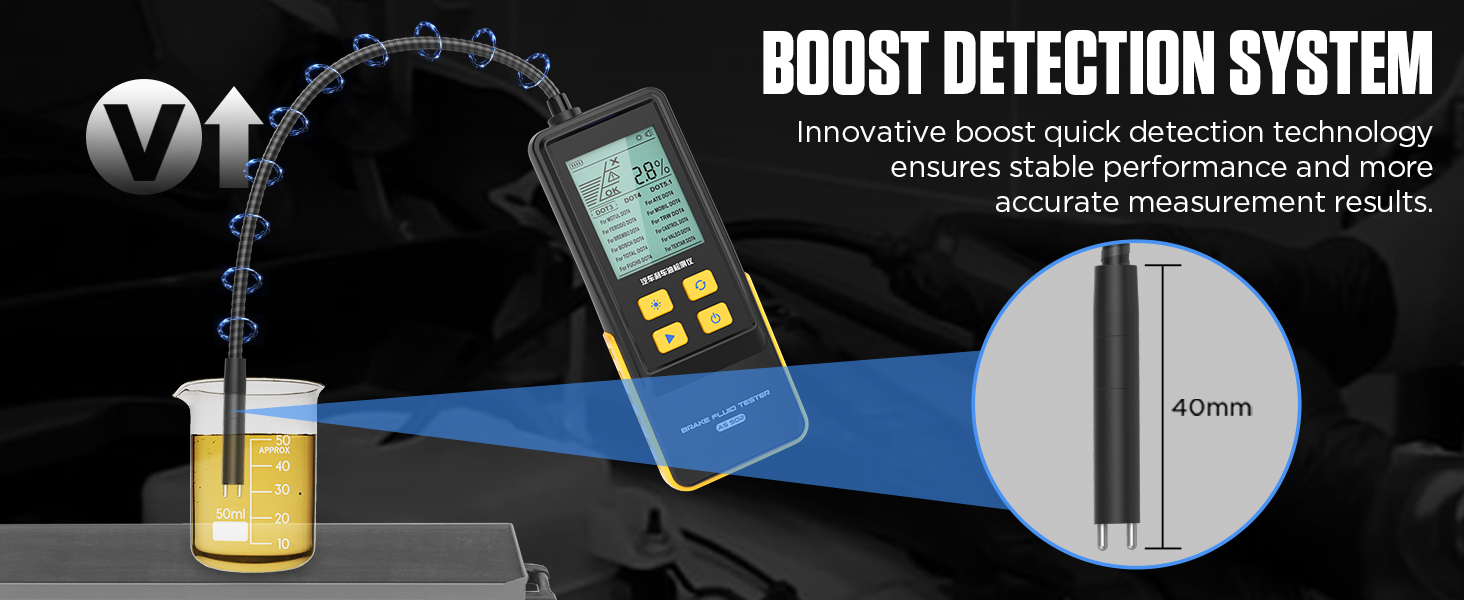
To quickly and accurately check whether the brake fluid contains too much water, you can use the AUTOOL AS502 brake fluid tester. With a few simple steps, it can reliably determine if your brake fluid has aged and needs replacement. Compared to judging by color or feel alone, this method is more precise and helps prevent reduced braking performance or damage to the brake system.
How to Avoid Air Bubbles When Changing Brake Fluid?
When changing brake fluid, you can choose between the traditional method or the pulse brake fluid bleeder. The traditional method involves two people: one adds the new fluid while the other repeatedly presses the brake pedal to bleed the system. While simple and requiring minimal tools, this method can result in air bubbles, necessitating multiple bleeding cycles to fully remove them. Incomplete bleeding may affect brake performance.
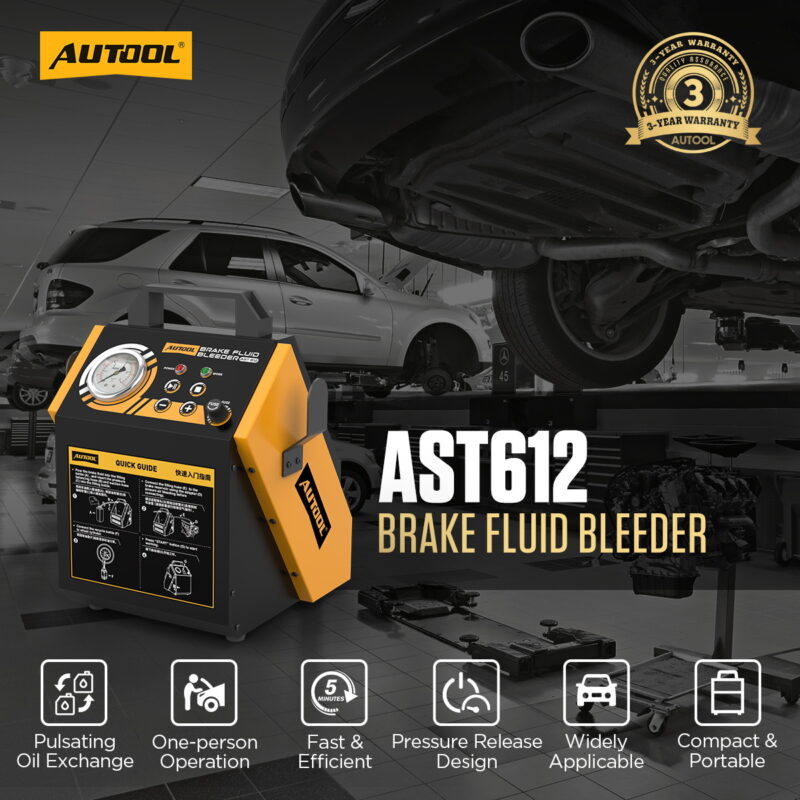
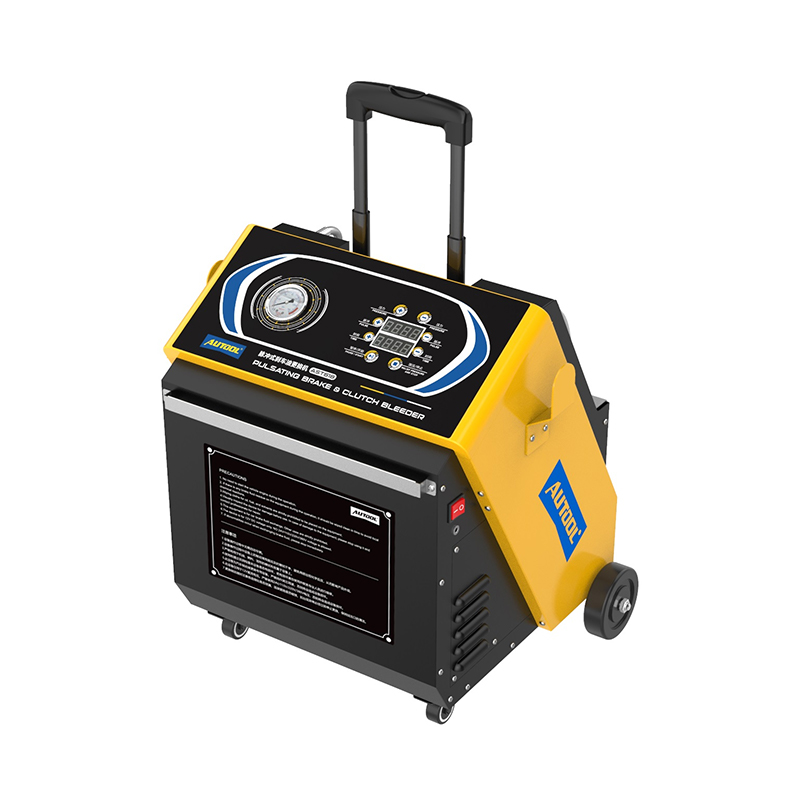
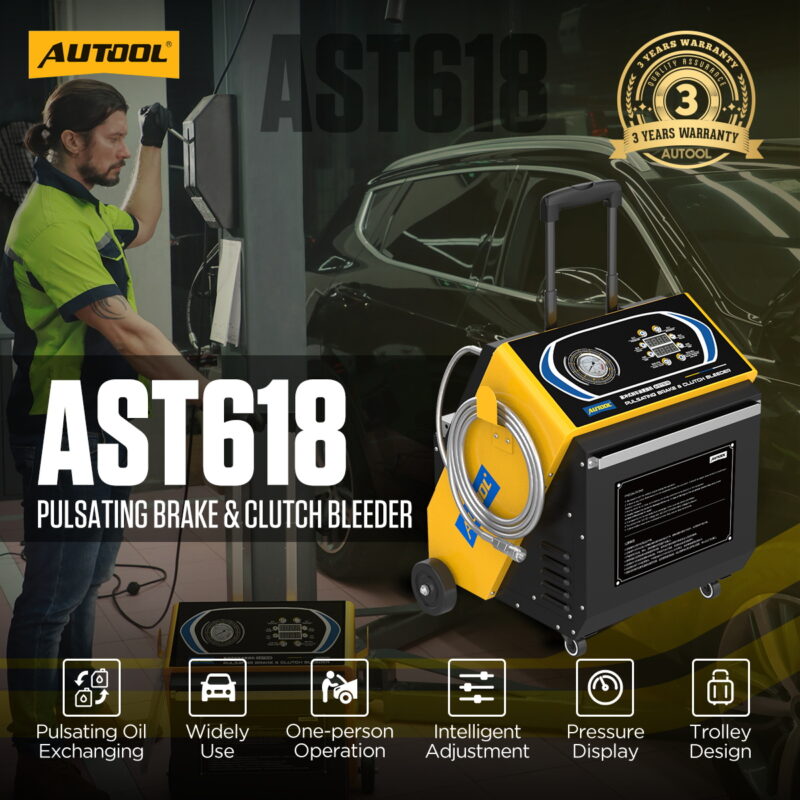
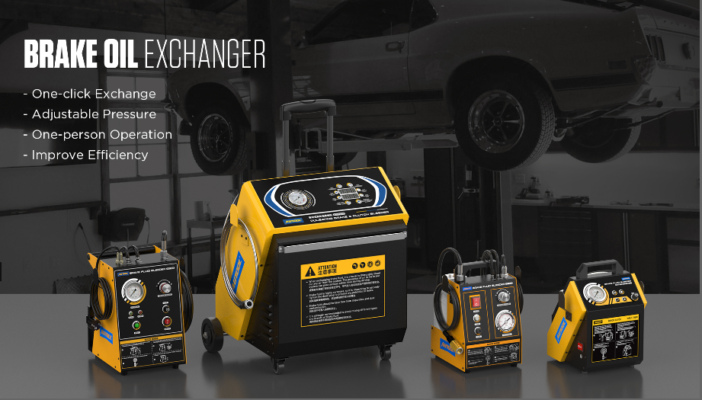
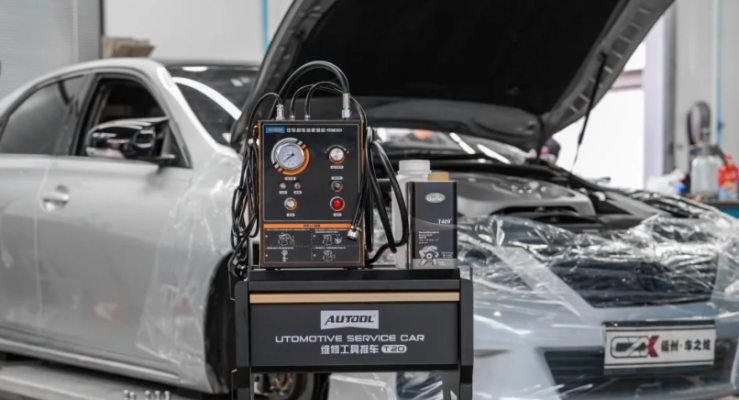
In contrast, the pulsating brake fluid exchanger allows for single-person operation, using pulse pressure to inject new fluid while automatically expelling air and old fluid, effectively preventing air bubbles. This method is easy to use, ensures stable brake system performance, and eliminates the need for repeated bleeding. Although the initial investment is higher, it is efficient and convenient, making it ideal for environments where brake fluid needs to be replaced frequently.
How to Safely Change Your Brake Fluid?
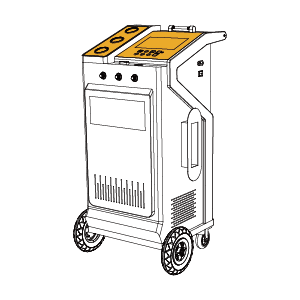
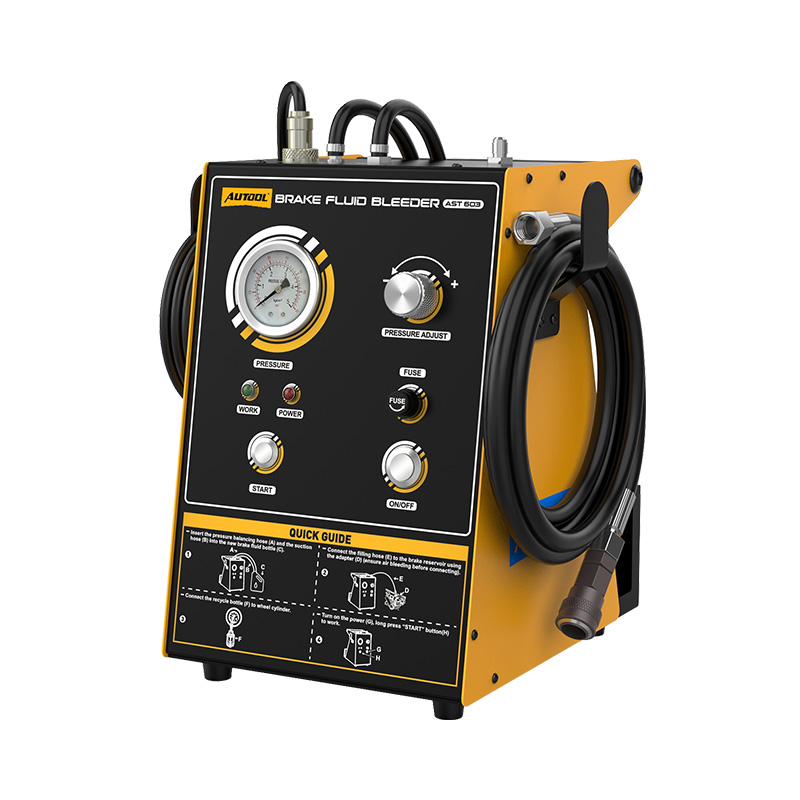
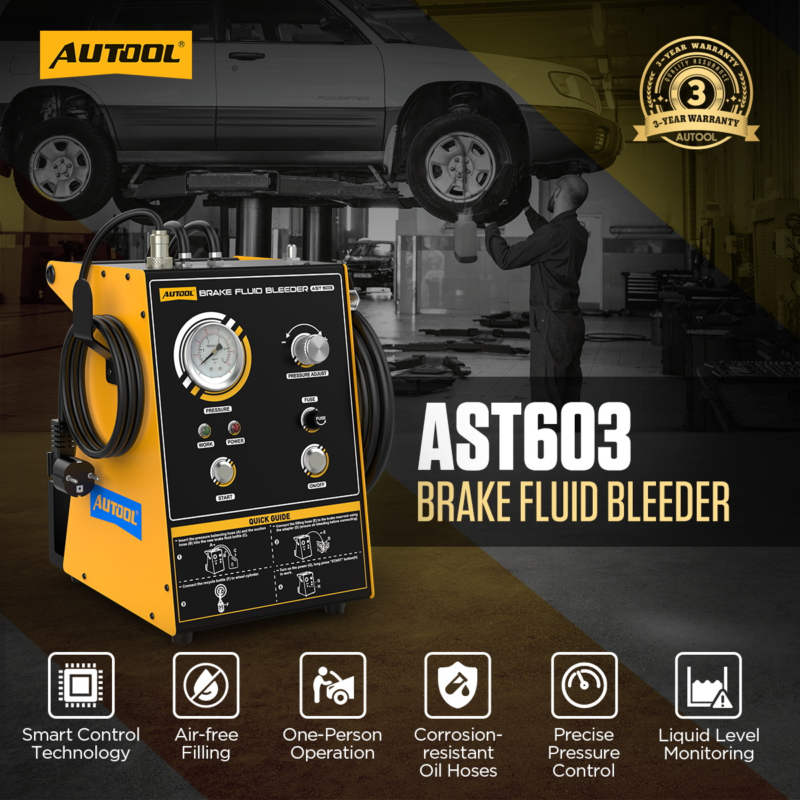
Here are the steps for using the AUTOOL AST603 Brake Fluid Exchange Machine:
- 1. Connect the hoses: Insert the pressure balance hose and the oil suction hose into the new brake fluid bottle.
- 2. Connect the filling hose: Attach the filling hose to the brake fluid pump via the adapter. (Purge the machine before connecting.)
- 3. Connect the recovery bottle: Attach the recovery fluid bottle to the brake wheel cylinder.
- 4. Start the operation: Turn on the power, press and hold the start button to begin the operation.
This is clear and concise, making it easy to follow for effective brake fluid replacement.

FAQ – Brake Fluid Change
How often should I change my brake fluid?
Most vehicles require a brake fluid change every 2–3 years, but it’s always best to follow your manufacturer’s recommendation.
Some brands — like BMW brake fluid change intervals — are very strict about maintaining fresh brake fluid to protect the ABS system.
What type of brake fluid does my car need?
This depends on your vehicle, but the most common types are DOT 3 and DOT 4.
High-performance or European vehicles (including many BMW models) may require DOT 4 LV or DOT 5.1.
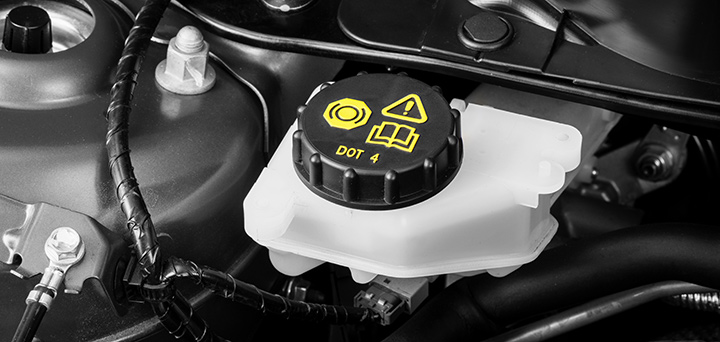
Always check your owner’s manual or the cap on your reservoir before starting your brake fluid change.
Can I change my brake fluid myself, or should I take it to a workshop?
Yes — you can perform a brake fluid change yourself if you have the right tools, such as a brake fluid exchanger.
DIY brake flushing is completely doable, but if you’re unsure or uncomfortable with hydraulic systems, it’s safer to let a qualified mechanic handle it.
What happens if I don’t change my brake fluid?
Old brake fluid absorbs moisture over time, which leads to:
- Corrosion inside brake lines
- Damaged ABS pumps
- Reduced braking performance
- A soft or spongy brake pedal
Skipping your brake fluid change can cost far more than the brake fluid change cost at a workshop.
How do I know if my brake fluid is bad?
Your brake fluid may need to be replaced if you notice:
- Dark, dirty, or cloudy fluid
- A soft or inconsistent brake pedal
- Longer stopping distances
- ABS warning light
A brake fluid tester can help confirm water content and fluid quality before a full brake fluid change.
Summary
Whether you choose the traditional manual method or use a pulse brake bleeder tool, these processes will help ensure your brake system remains in optimal condition. Remember, changing your brake fluid on time is a crucial step in ensuring your driving safety.
👉Want to learn more? Contact us to enjoy a 10% discount for new customers and 3-year warranty!
-
WhatsApp: +86 189 2647 7404
-
Email: shop@autooltech.com
-48%
NEW
$209.00 – $239.00
$239.00 – $298.00
 Home
Home Shopping Guide
 Product
 Wheel Aligner Machine
 Smoke Leak Detector
 Fuel Injector Tester
 Brake Fluid Exchanger
 Dry lce Blasting Machine
 Walnut Sand De-Carbon Cleaner
 Refrigerant Recovery Machine
 Articulating Borescope
 Transmission Fluid Exchanger
 Spark Plug Tester
 Battery System Tester
 Engine Pressure Tester
 Diagnostic Multimeter
 Key Frequency Tester
 Maintenance Environment Tester
 Pneumatic Oil Drainer & Extractor
 Oil Analysis Tester
 Circuit Tester
 OBD Diagnostic Tool
 Digital Manifold Gauge
 Inverter Programming Power Supply
 EV Charging
 Used Car Diagnostic Tester
 Cooling System Tester and Filler
 Workshop Tool Storage Series
 EV Battery Pack Air Tightness Tester
 Wheel Alignment Machines
 ACCESSORIES&OTHER
 Help Center
 News
News Track My Order
 Online Support
 Affiliate Marketing